ΑΙhub.org
2020-2021 Leshner fellows to engage public on artificial intelligence
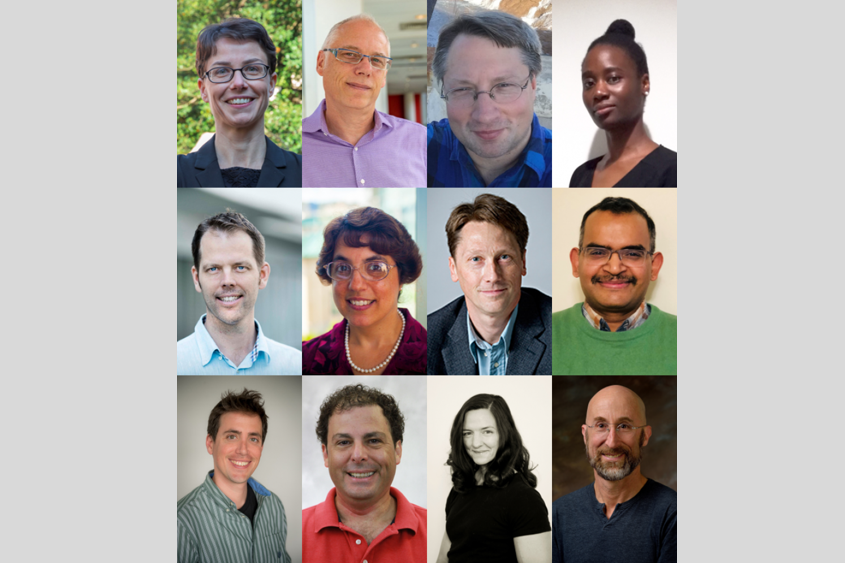
The American Association for the Advancement of Science (AAAS) has announced the selection of 12 researchers in the area of artificial intelligence as the 2020-2021 AAAS Alan I. Leshner Leadership Institute Public Engagement Fellows. These scientists and engineers were chosen for “having demonstrated leadership and excellence in their research careers and an interest in promoting meaningful dialogue between science and society”.
The 2020-2021 AAAS Leshner Fellows are (full bios are available on the AAAS website):
- Omalabake Adenle
Director, AJA.LA Studios - Benjamin Grewe
Professor of systems circuits and neuroinformatics, ETH Zurich - Michael Littman
Professor of computer science and co-director of Humanity-Centered Robotics Initiative, Brown University. Michael is also a trustee for AIhub. - Heather Lynch
IACS endowed chair for ecology & evolution, Stony Brook University - Nicholas Mattei
Assistant professor of computer science, Tulane University - Anita Nikolich
Research professor, director of the Advanced Computational Thinking Center, Illinois Institute of Technology - Carolyn Rose
Professor of computer science, Carnegie Mellon University - Brian Scassellati
A. Bartlett Giamatti professor of computer science, cognitive science, and mechanical engineering, Yale University - William Smart
Professor in the Robotics Program at Oregon State University - Biplav Srivastava
Distinguished data scientist and master inventor, IBM Chief Analytics Office - Lyle Ungar
Professor of computer and information science, University of Pennsylvania - John Zimmerman
Tang Family professor of artificial intelligence and human-computer interaction, Carnegie Mellon University
The fellows’ public engagement interests and approaches are as diverse as their research, and include online blogs, videos and discussions as well as traditional media, social media, podcasts, books, policy engagement, outreach and public science events and competitions. In addition to engaging the public in discussions about their research, they will promote public engagement among their scientific colleagues and within their institutions.
The AAAS Leshner Fellows program is in its fifth year and is part of the organization’s commitment to science communication and public engagement. The Leshner Leadership Institute was established in 2015 through philanthropic support. The Institute is managed by the AAAS Center for Public Engagement with Science and Technology, established in 2004 by Alan I. Leshner, now chief executive officer emeritus of AAAS.
Read more about the 2020-2021 Leshner programme here.
AUAI is supported by: