
ΑΙhub.org
AIhub interview highlights 2024

Over the course of 2024, we had the pleasure of finding out more about a whole range of AI topics from researchers around the world. Here, we highlight some of our favourite interviews from the past 12 months.
Please note: we have not included our interviews with AAAI/ACM SIGAI Doctoral Consortium participants – these are highlighted in this dedicated collection.
Interview with Christopher Chandler: closed-loop robot reactive planning
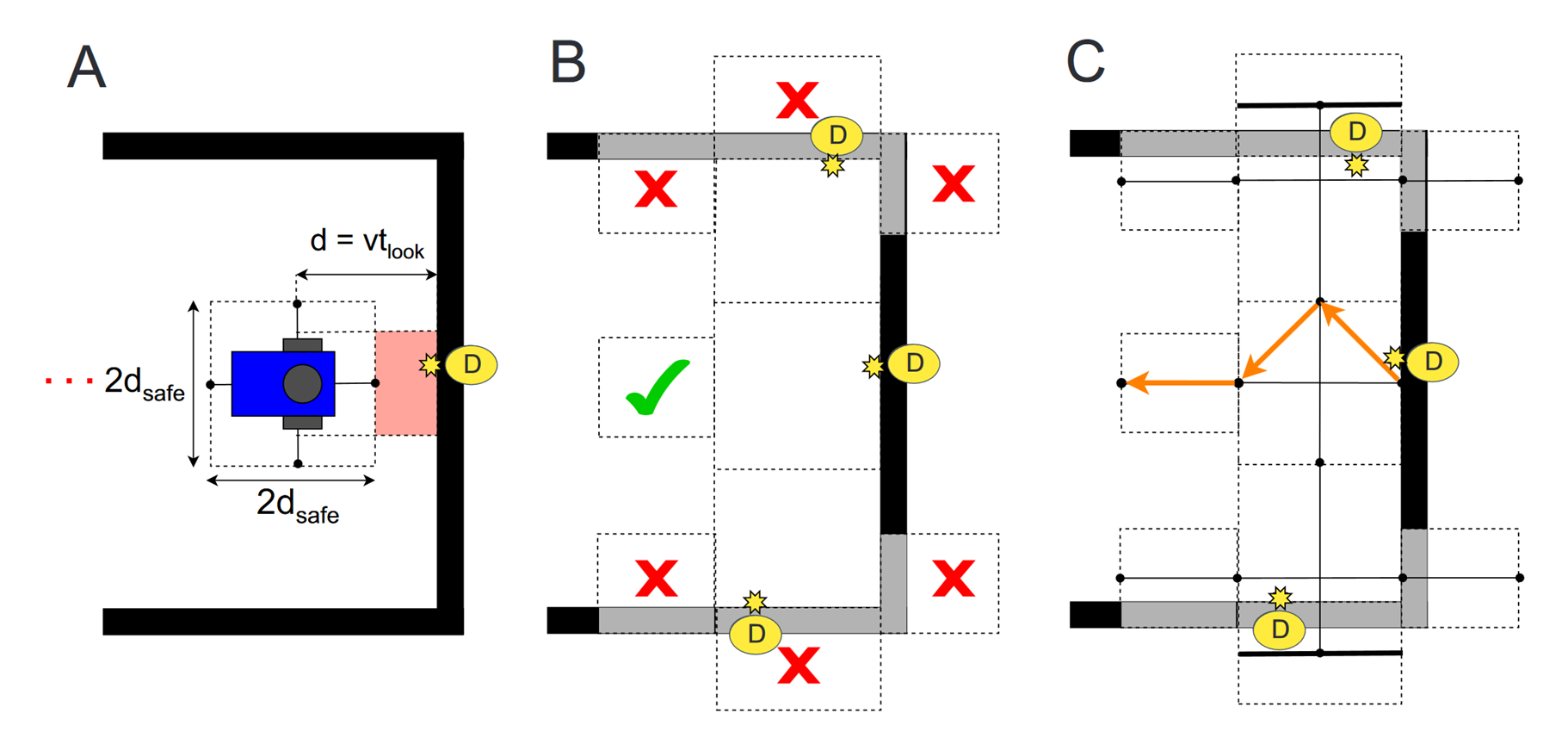
Christopher Chandler tells us about model checking and how it is used in the context of autonomous robotic systems, specifically looking at creating multi-step plans for a differential-drive wheeled robot so that it can avoid immediate danger.
Interview with Bo Li: A comprehensive assessment of trustworthiness in GPT models

Bo Li and colleagues won an outstanding datasets and benchmark track award at NeurIPS 2023 for their work DecodingTrust: A Comprehensive Assessment of Trustworthiness in GPT Models. Bo tells us about the research, the team’s methodology, and key findings.
Long-term monitoring of bird flocks in the wild – interview with Kshitiz

Kshitiz details work developing and applying computer vision techniques and datasets tailored for non-invasive monitoring and analysis of migratory bird flocks in their natural habitats.
Interview with Francesca Rossi – talking sustainable development goals, AI regulation, and AI ethics

AIhub ambassador Andrea Rafai caught up with AAAI President Francesca Rossi and asked her about AI for the sustainable development goals, regulation, fairness, and more.
Is compute the binding constraint on AI research? Interview with Rebecca Gelles and Ronnie Kinoshita
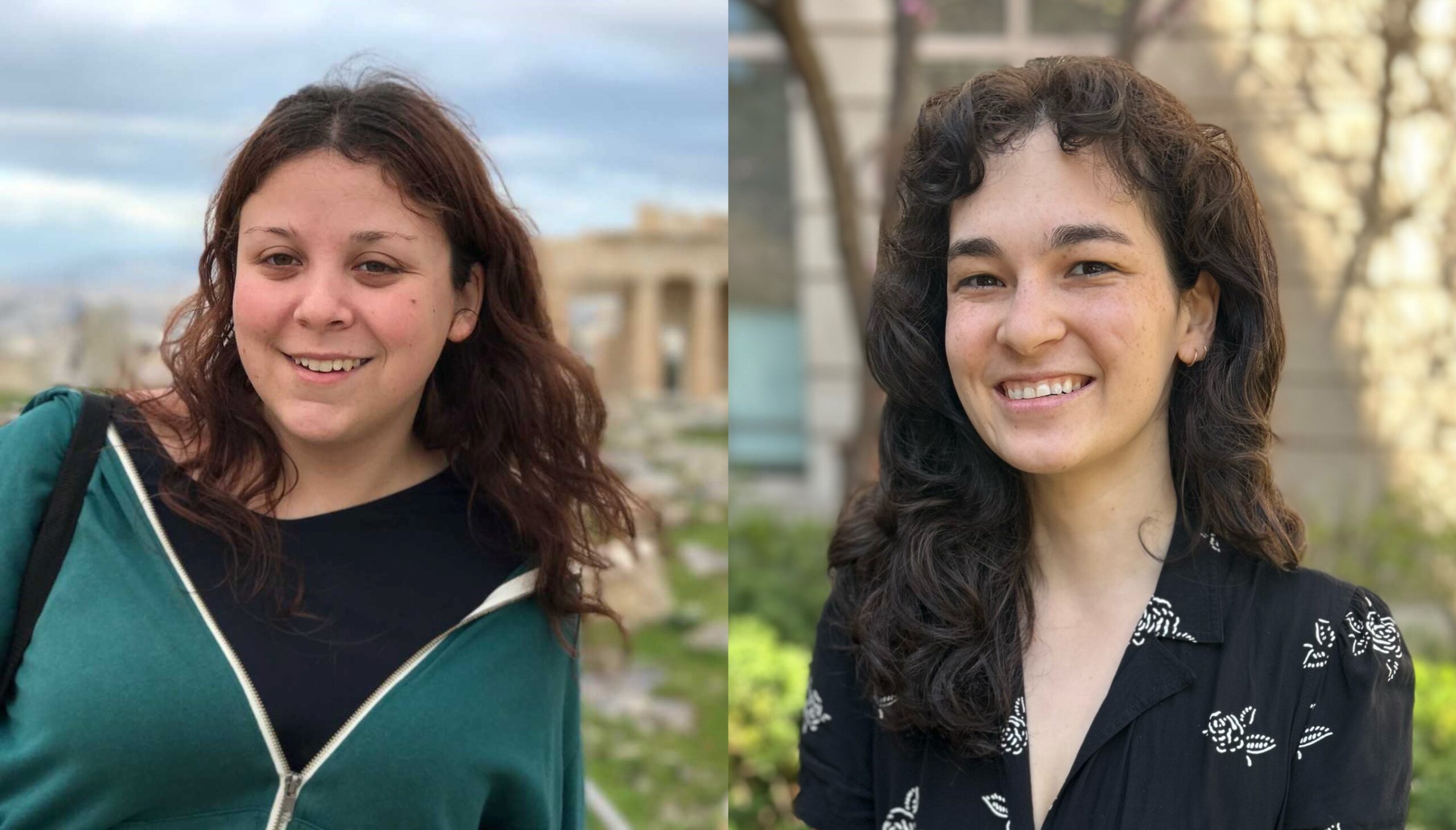
In work presented at AAAI 2024, Rebecca Gelles, Veronica Kinoshita, Micah Musser and James Dunham investigate researchers’ access to compute and the impact this has on their work. Rebecca and Ronnie tell us about what inspired their study, their methodology and some of their main findings.
Are emergent abilities of large language models a mirage? – Interview with Brando Miranda

Rylan Schaeffer, Brando Miranda, and Sanmi Koyejo won a NeurIPS 2023 outstanding paper award for their work Are Emergent Abilities of Large Language Models a Mirage?, in which they present an alternative explanation for emergent abilities in large language models. We spoke to Brando about this work, their theory, and what inspired it.
Interview with Henok Biadglign Ademtew: Creating an Amharic, Ge’ez and English parallel dataset

Henok Biadglign Ademtew and Mikiyas Girma Birbo have created an Amharic, Ge’ez, and English parallel dataset to help advance research into low-resource languages. We spoke to Henok about this project, the creation of the dataset, and some of the challenges faced.
Interview with AAAI Fellow Mausam: talking information extraction, mentorship, and creativity
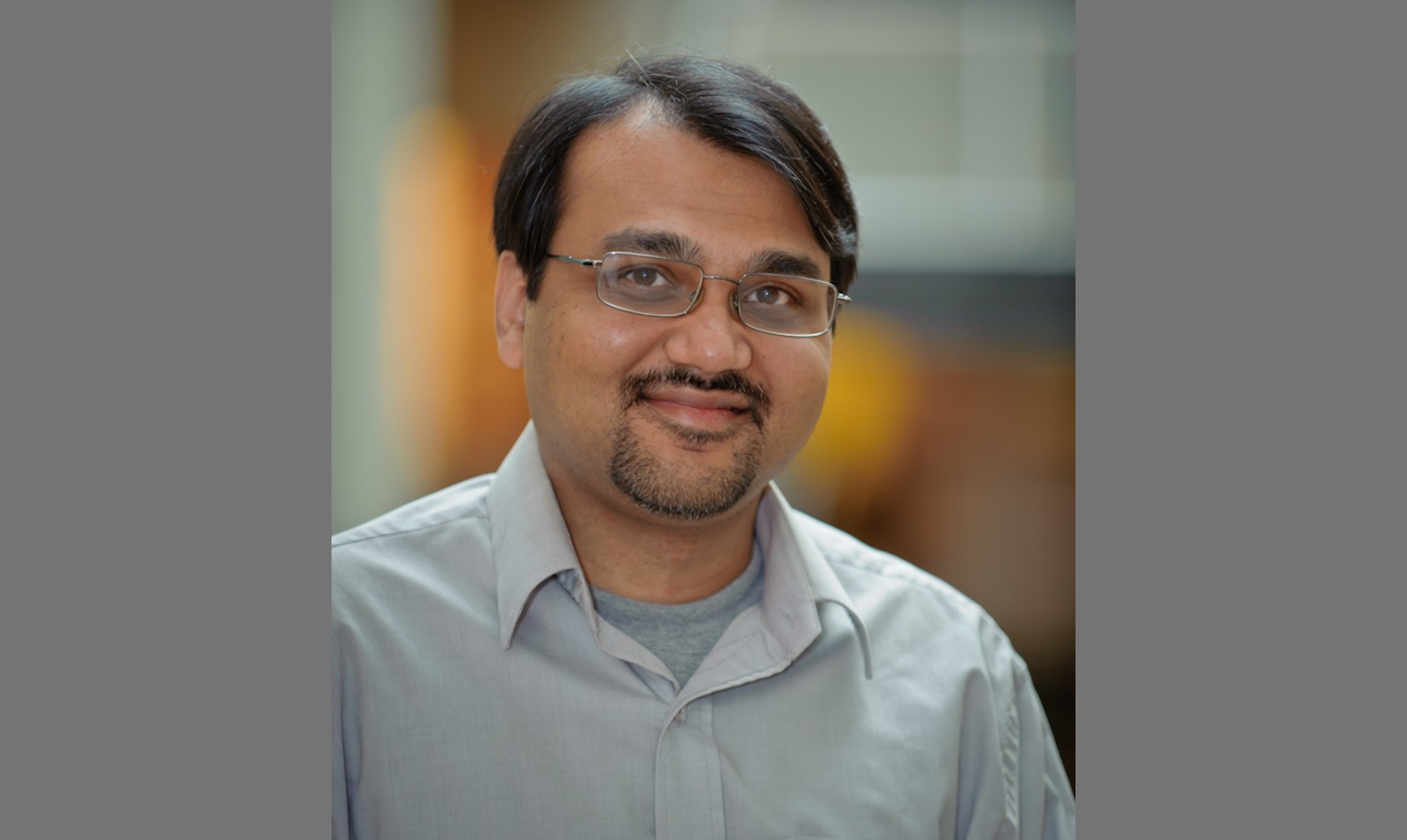
As part of our series covering the 2024 AAAI Fellows, we met Professor Mausam and found out about his research, career path, mentorship, and why it is important to add some creative pursuits to your life.
Interview with Tianfu Wang: A reinforcement learning framework for network resource allocation

Tianfu Wang tells us about work with Qilin Fan, Chao Wang, Long Yang, Leilei Ding, Nicholas Jing Yuan and Hui Xiong which introduces a framework for addressing resource allocation problems.
Interview with Sherry Yang: Learning interactive real-world simulators
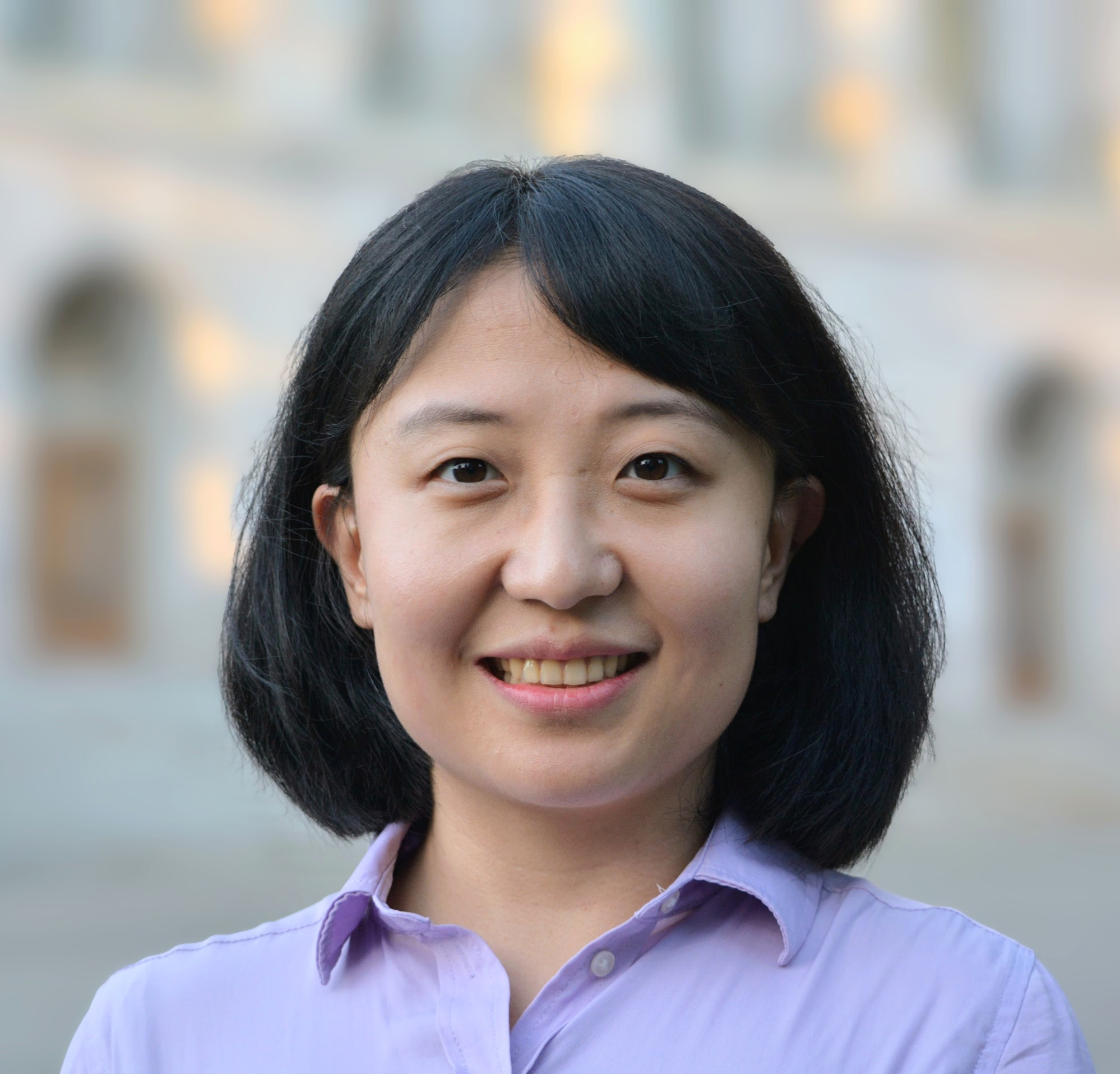
Sherry Yang, Yilun Du, Kamyar Ghasemipour, Jonathan Tompson, Leslie Kaelbling, Dale Schuurmans and Pieter Abbeel won an outstanding paper award at ICLR2024 for their work Learning Interactive Real-World Simulators. Sherry spoke to us about this work, in which they introduce a universal simulator (called UniSim) which takes image and text input to train a robot simulator.
Considerations for differentially private learning with large-scale public pretraining – interview with Gautam Kamath
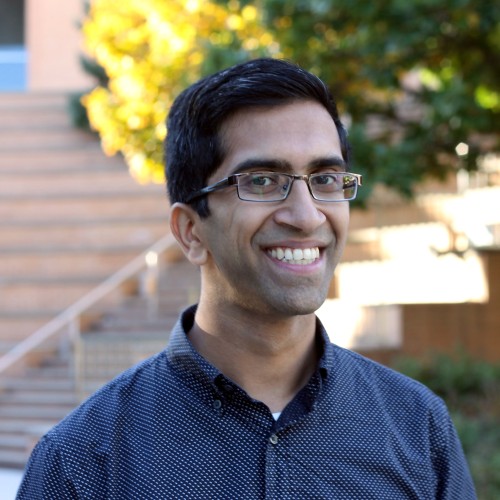
Florian Tramer, Gautam Kamath and Nicholas Carlini won an ICML2024 best paper award for their work Position: Considerations for Differentially Private Learning with Large-Scale Public Pretraining. In this interview, Gautam summarises some of the key achievements of the paper.
Interview with AAAI Fellow Anima Anandkumar: Neural Operators for science and engineering problems

In the second of our interviews with 2024 AAAI Fellows, we meet Anima Anandkumar and find out about her work on Neural Operators, of which she is the inventor, and how these can be applied to a range of science problems.
Interview with Jerone Andrews: a framework towards evaluating diversity in datasets

Jerone Andrews, Dora Zhao, Orestis Papakyriakopoulos and Alice Xiang won a best paper award at the ICML 2024 for their position paper Measure Dataset Diversity. Don’t Just Claim It. We spoke to Jerone about the team’s methodology, and how they developed a framework for conceptualising, operationalising, and evaluating diversity in machine learning datasets.
Interview with Katherine Mayo: An agent-based analysis of real-time payments and fraud risk mitigation
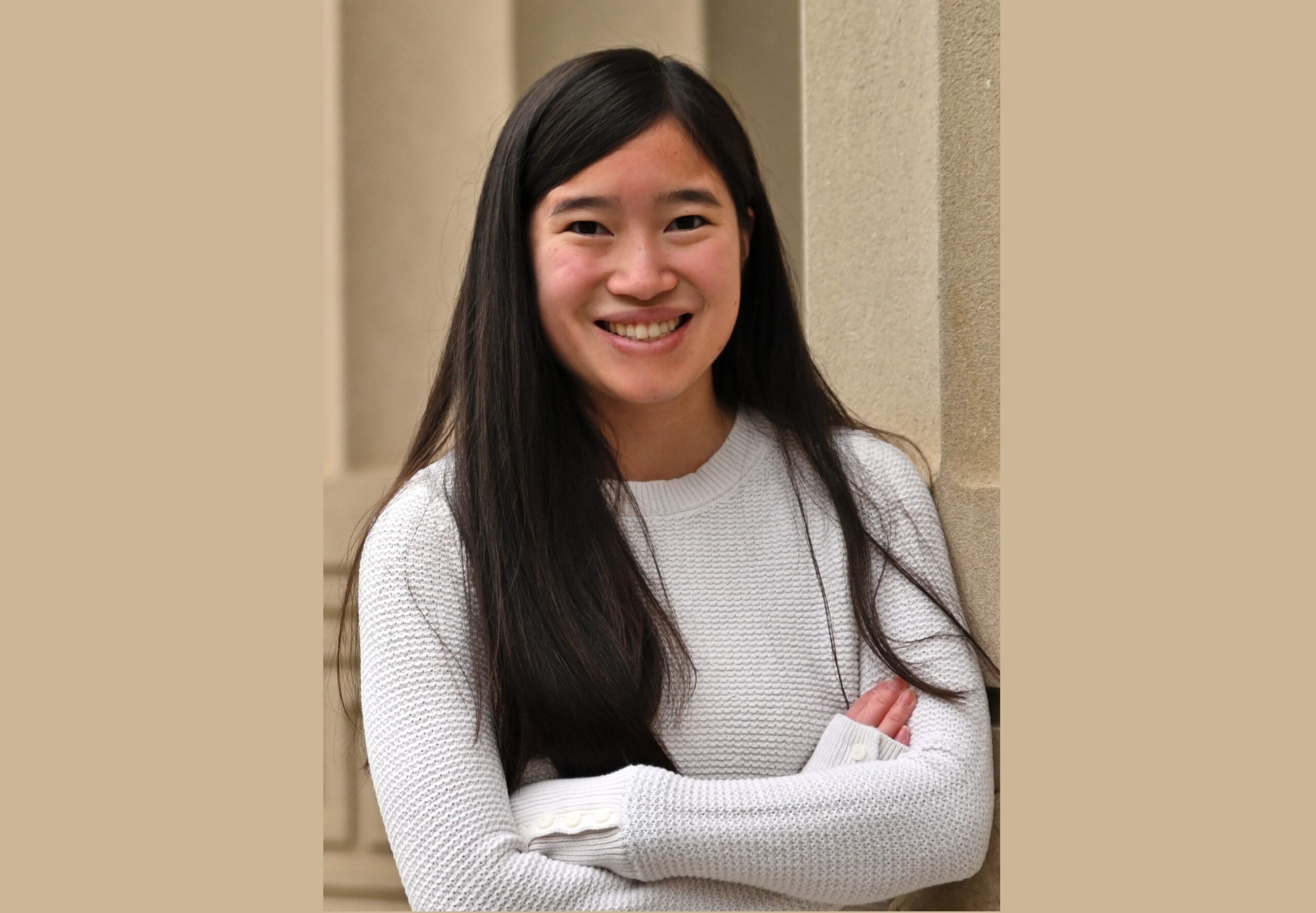
We asked Katherine about her work studying real-time payments, and how she has employed an agent-based model to investigate potential strategies for banks in the face of fraud.
Harnessing AI for a climate-resilient Africa: An interview with Amal Nammouchi, co-founder of AfriClimate AI

AfriClimate AI is a grassroots community focused on leveraging artificial intelligence to tackle climate challenges in Africa. We spoke to Amal Nammouchi, one of the co-founders of AfriClimate AI, about the inspiration behind the initiative, some of their activities and projects, and plans for the future.
The Kidney Exchange Problem: Interview with Úrsula Hébert-Johnson, Chinmay Sonar and Vaishali Surianarayanan
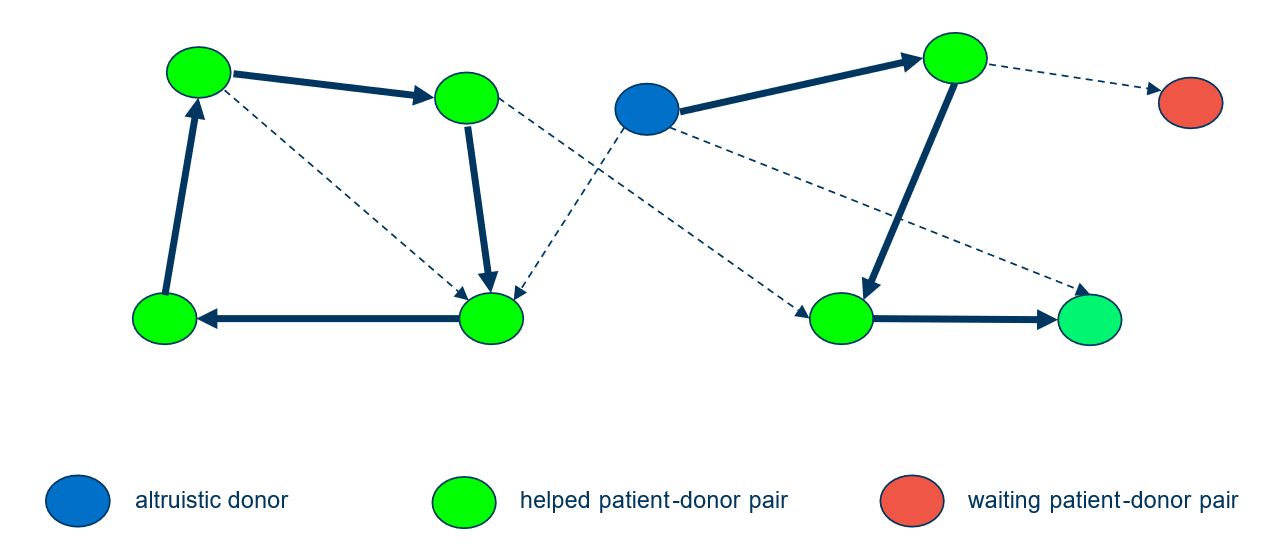
Úrsula Hébert-Johnson, Chinmay Sonar and Vaishali Surianarayanan tells us about the Kidney Exchange Problem, and how they went about solving two of the open problems in this field.
Interview with Andrews Ata Kangah: Localising illegal mining sites using machine learning and geospatial data

Andrews Ata Kangah is a team leader and researcher working on democratizing AI and AI solutions for environmental problems. We spoke to him about his research localising illegal mining sites using machine learning and geospatial data.

AUAI is supported by: