
ΑΙhub.org
Interview with Benyamin Tabarsi: Computing education and generative AI
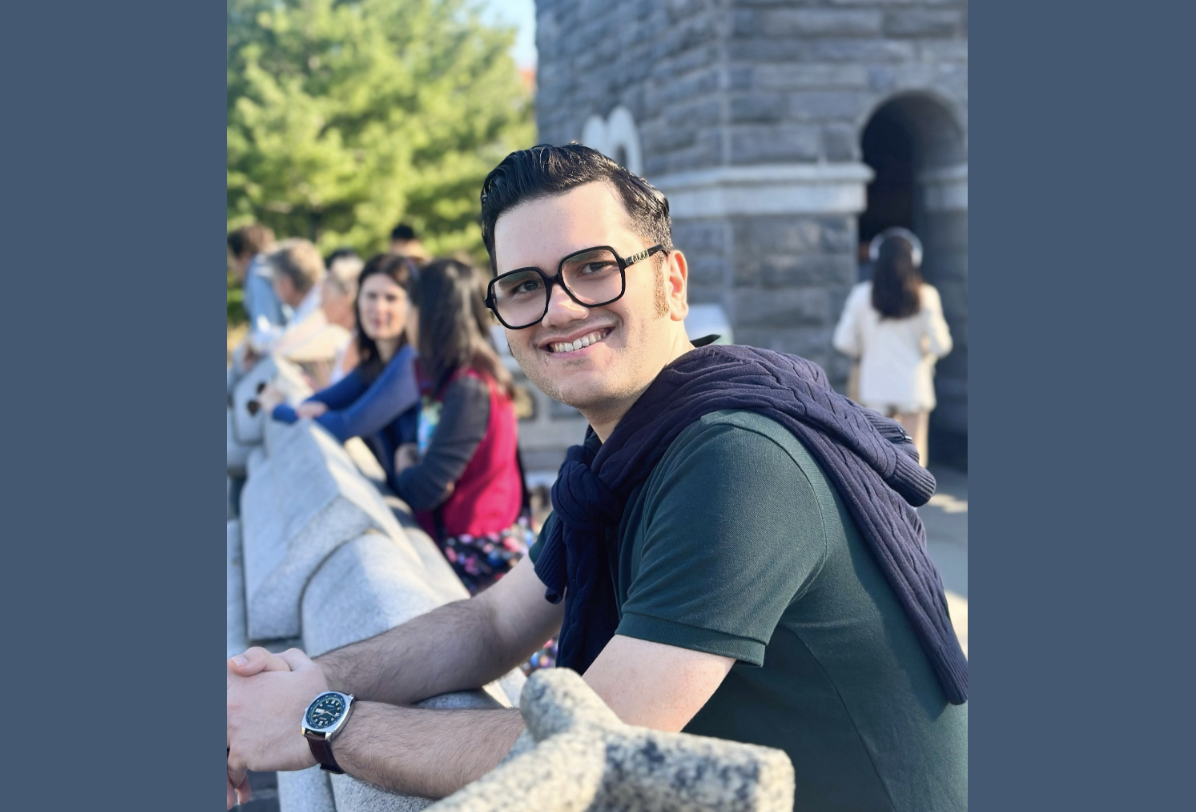
In this interview series, we’re meeting some of the AAAI/SIGAI Doctoral Consortium participants to find out more about their research. In this latest interview, Benyamin Tabarsi tells us about his research at the intersection of generative AI and computing education. We find out more about what he’s investigated so far during his PhD, what is particularly interesting about this research area, and what inspired him to undertake a PhD in the field.
Tell us a bit about your PhD – where are you studying, and what is the topic of your research?
I’m a computer science student at North Carolina (NC) State University, and my research focuses on computing education and generative AI. I’ve always been passionate about finding ways to make learning easier for students and teaching more efficient for instructors, especially in computer science. That’s what led me to the AI assistant I’m working on now, MerryQuery.
Could you give us an overview of the research you’ve carried out so far during your PhD?
Sure! My early PhD work focused on analyzing novice programmers’ coding patterns to identify moments when they struggled or made progress, to explore the impacts of scaffolding on their coding, and to develop intelligent support features. When large language models became more popular, their potential in education really grabbed my attention. That led to my involvement in several projects, like exploring how developers use and perceive LLMs, and training K-12 teachers to integrate ChatGPT into their classrooms. All of this brought me to the idea of creating MerryQuery.
Is there an aspect of your research that has been particularly interesting?
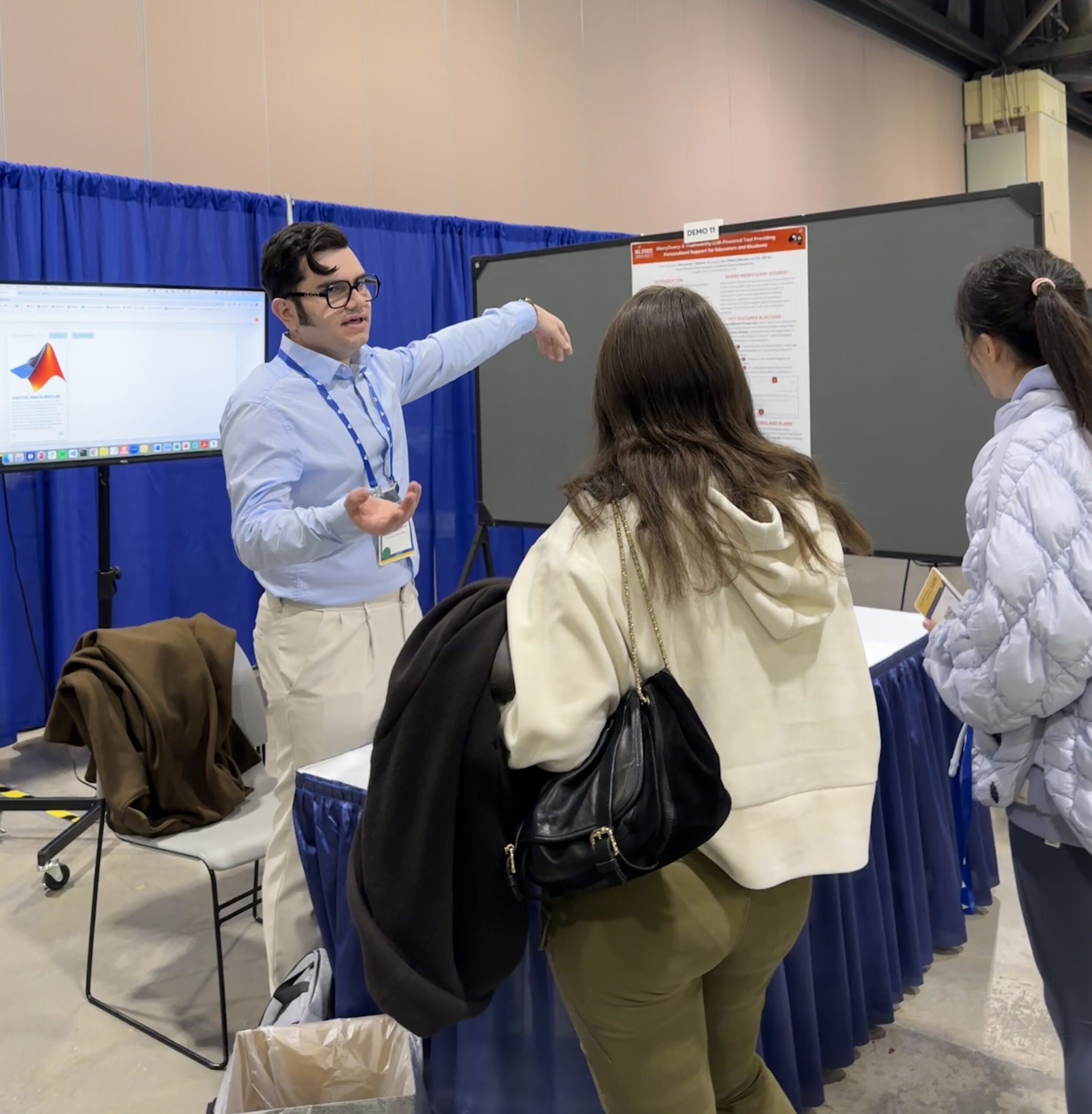
Definitely. From a technical perspective, I’ve really enjoyed tackling the educational challenges. We’ve built features that address why instructors were hesitant about AI, like our dual-mode system that lets instructors choose between showing hints or full solutions, RAG (Retrieval-Augmented Generation) integration that provides answers based on actual course materials, step-by-step responses to make complex topics easier to understand, transparent source citations so students can verify information, multimodal processing that handles complex PDFs with images and tables, and a monitoring dashboard that shows tool usage stats and student conversations.
The human side has also been equally interesting and rewarding. Seeing the direct impact my research has on students and instructors, getting their feedback, and realizing the tool is actually helping people, that’s exactly why I am passionate about human-centered AI. I’ve also really enjoyed mentoring undergraduate researchers along the way. I’ve worked with about fifteen of them over the last three years, and watching them develop their skills and bring their own ideas has been incredible.
What are your plans for building on your research so far during the PhD – what aspects will you be investigating next?
We deployed MerryQuery in a large introductory programming class for a whole semester and collected a lot of data and feedback. So right now, I’m focused on using all of that to improve MerryQuery. My next steps are building a more insightful dashboard for instructors, refining the user interface, and testing new methods to improve the tool’s performance, especially response time, tone, and accuracy. For instance, we’ve already started on fine-tuning the tone using DPO (Direct Preference Optimization) and have seen great results. I’m also involved in a project called ChatLearn that’s currently focused on training parents for sensitive health conversations with their teenagers. It’s been a rewarding challenge to do research in such a different but important context.
What made you want to research AI, and in particular AI for social impact?
I’ve always believed that even the most brilliant ideas aren’t that useful if they stay stuck in a lab. For me, the real motivation behind all the hard work is seeing it actually improve people’s day-to-day lives. It’s not always the easiest path; sometimes getting an interface right for users can slow down the research aspect. But it’s worth it. At the end of the day, if my research makes things easier for instructors and students, I know the effort was worth it.
What advice would you give to someone thinking of doing a PhD in the field?
A PhD in Computer Science is a long journey and can be really challenging. My best advice is to be both flexible and persistent. You need to be open to changing directions when an idea doesn’t pan out, and also have the determination to push through when things get tough. Also, get involved in the wider research community early on. Going to conferences and reviewing papers are amazing ways to see what others are working on and figure out where you fit in the field. And finally, don’t try to do it all alone. Pitching your ideas to others and working in teams often leads to better research.
Could you tell us an interesting (non-AI-related) fact about you?
Of course! Something that’s not on my resume is that I sing and play guitar. I’m a huge fan of blues, country, and rock music. I also love hiking. Both music and hiking help me recharge after intense research days.
About Benyamin
|
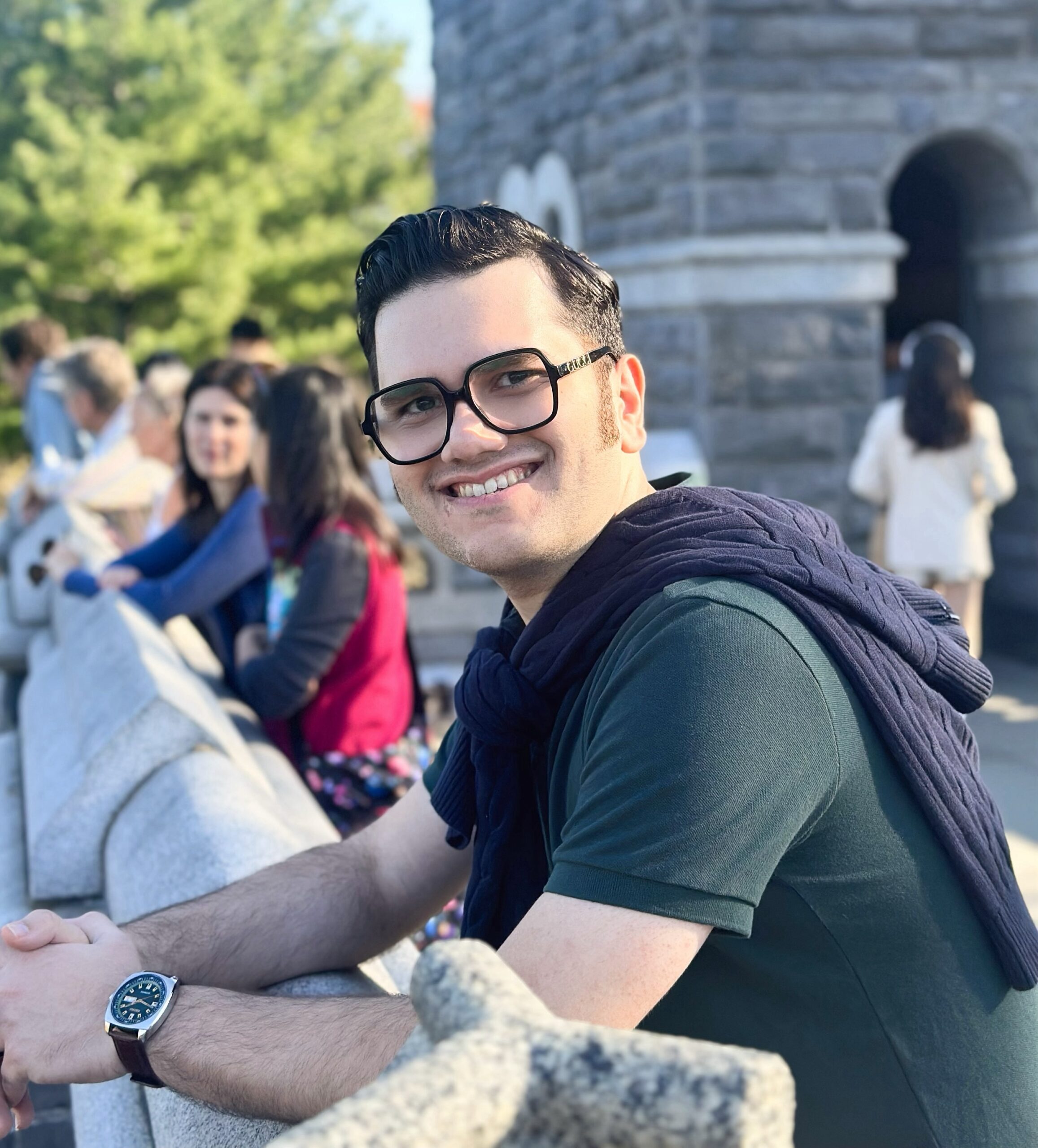
Benyamin Tabarsi is a Computer Science PhD student at NC State University, advised by Dr Tiffany Barnes and Dr Dongkuan (DK) Xu. His research lies at the intersection of Generative AI and Computing Education, focusing on developing intelligent support systems for CS students and instructors. He leads the development of MerryQuery, an AI assistant that provides tailored support for students and gives instructors enhanced insights and control. Beyond his research contributions, he has actively mentored undergraduate researchers and conducted workshops training K-12 teachers on integrating LLMs into their classrooms. His research has been recognized with the Best Technical Demonstration Award at AAAI 2025 and the Best Research Paper Award at IEEE VL/HCC 2024. |
tags: AAAI, AAAI Doctoral Consortium, AAAI2025, ACM SIGAI

AUAI is supported by:








