ΑΙhub.org
The Machine Ethics podcast: Data Collective with E.M. Lewis-Jong
Hosted by Ben Byford, The Machine Ethics Podcast brings together interviews with academics, authors, business leaders, designers and engineers on the subject of autonomous algorithms, artificial intelligence, machine learning, and technology’s impact on society.
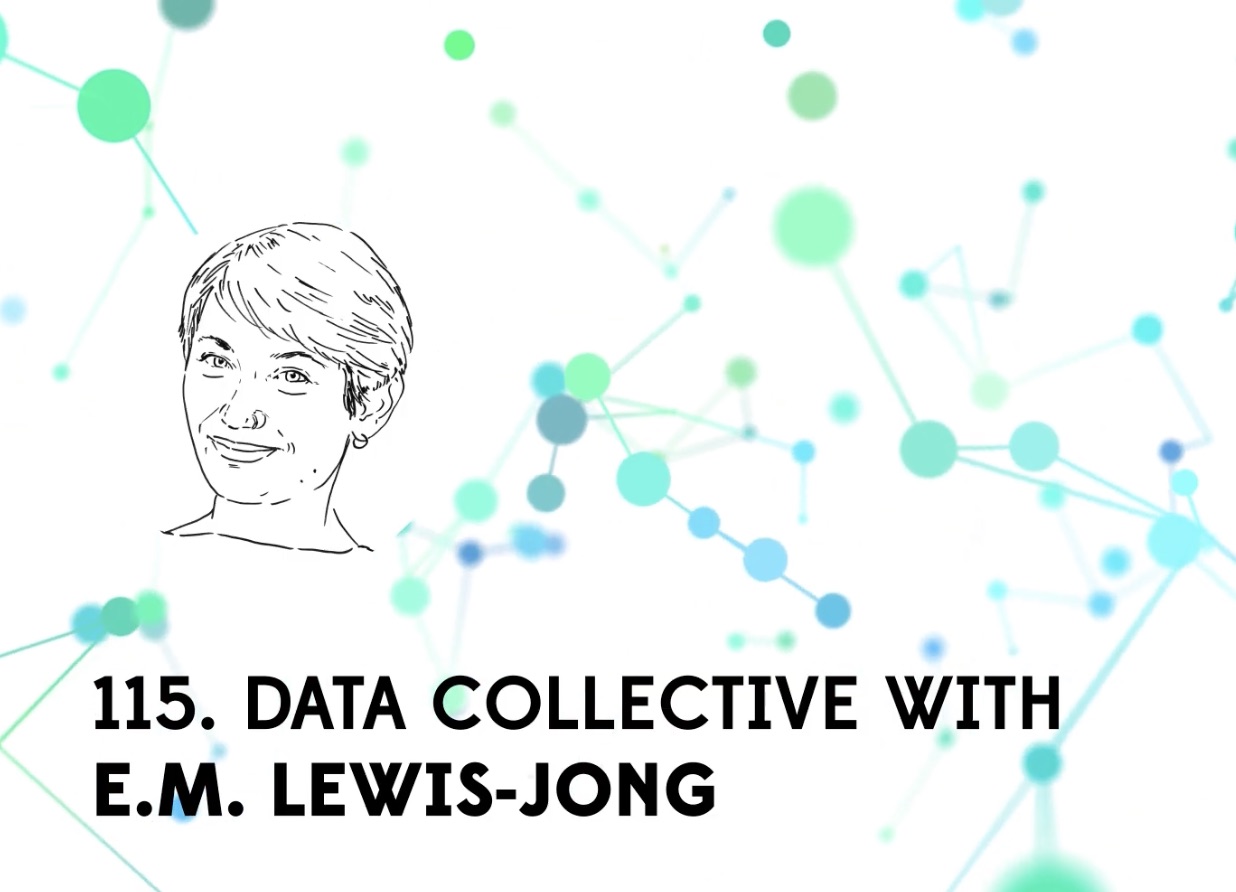
Data Collective with E.M. Lewis-Jong
This time we’re chatting with E.M. about the promise of AI and making human connection easier, speech recognition and supporting linguistic diversity, making useful technologies that have a purpose, Mozilla Data Collective, under-represented cultures in datasets, accidental monocultures with technology, negative uses of datasets, AI literacy, the instability of LLMs and more…
Listen to the episode here:
Listen on YouTube here:
E.M. Lewis-Jong is a Founder, Impact Entrepreneur and HCI researcher working at the intersection of community technology, open data, and inclusive AI. They are the Founder and CEO of the Mozilla Data Collective, a community-led platform for ethical creation, curation, and control of AI training datasets; built on the principle that people should be able to share their data on their own terms. They previously served as a VP at Mozilla Foundation, and the Director for Mozilla’s Common Voice, an open-source platform enabling communities worldwide to preserve, revitalise, and contribute their languages to the future of speech tech.
E.M. holds an MA in Modern History from the University of Oxford and is expecting a PhD in Informatics and Engineering at the University of Sussex, with research focused on controllability in conversational and voice AI for adolescents. They’re a published researcher, product mentor, and a passionate advocate for a multilingual, multicultural, and community-centred tech future.
About The Machine Ethics podcast
This podcast was created and is run by Ben Byford and collaborators. The podcast, and other content was first created to extend Ben’s growing interest in both the AI domain and in the associated ethics. Over the last few years the podcast has grown into a place of discussion and dissemination of important ideas, not only in AI but in tech ethics generally. As the interviews unfold on they often veer into current affairs, the future of work, environmental issues, and more. Though the core is still AI and AI Ethics, we release content that is broader and therefore hopefully more useful to the general public and practitioners.
The hope for the podcast is for it to promote debate concerning technology and society, and to foster the production of technology (and in particular, decision making algorithms) that promote human ideals.
Join in the conversation by getting in touch via email here or following us on Bluesky and Instagram.

AUAI is supported by: