ΑΙhub.org
Machine learning for clinical time-series forecasting: an interview with Mayra Elwes
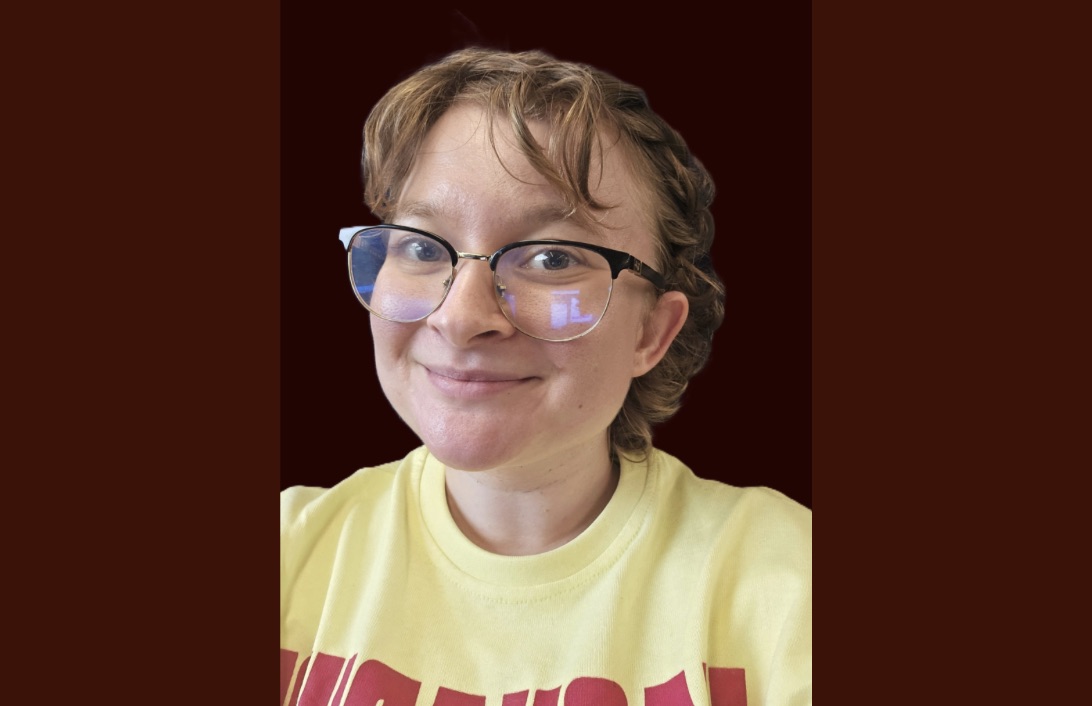
In a series of interviews, we’re meeting some of the PhD students that were selected to take part in the Doctoral Consortium at the International Joint Conference on Artificial Intelligence and the 29th European Conference on Artificial Intelligence (IJACI-ECAI 2026). This time, we hear from Mayra Elwes about her work developing machine learning methods for clinical time-series data.
Tell us a bit about your PhD – where are you studying, and what is the topic of your research?
I am a second-year computer science PhD student at the Institute for Biomedical Informatics at the University Hospital Cologne.
My research focuses on the generalisation and domain adaptation of machine learning for clinical time-series forecasting, especially for clinic-to-clinic generalization scenarios. I am working on practical strategies to evaluate methods in a more contextualised way and on improving existing domain adaptation methods specific to time-series forecasting.
Could you give us an overview of the research you’ve carried out during your PhD?
One major challenge in medical AI is performance degradation when models are deployed in clinics not represented in their training data. This performance degradation often stems from differences in patient demographics, clinical practice, or measuring devices, and it manifests as data distribution shifts. I address this problem for a use-case from the intensive care unit: forecasting blood oxygenation levels and arterial mean blood pressure based on observed vital parameters to improve hypotension and hypoxemia prediction.
Since this application task is not covered by standard AI benchmarks, my clinical collaborators and I designed a new benchmark. Currently, we are collecting data at University Hospital Cologne. Tools and datasets I built to benchmark generalization for this vital parameter forecasting task are available as open-source software:WavePrep, Algorithm2Domain, MIMIC-III Waveform Database Matched Subset.
While building this benchmark, I developed a strategy to benchmark generalisation and domain adaptation approaches for application tasks and domains in a more contextualised way. By reporting the shift relevant to the downstream task alongside the performance degradation, results become comparable even on private datasets and between different application tasks.
Is there an aspect of your research that has been particularly interesting?
I propose reporting distribution shifts alongside performance degradation to contextualise generalisation. However, identifying which shift is relevant for a specific downstream task is tricky. While experimenting with different approaches to measure the shift relevant to the downstream task, I found that a naive domain-informed approach seemed to capture the relevant shift better than purely data-driven unsupervised approaches. This analysis is still ongoing, and only unsupervised data-driven approaches have been investigated so far. However, especially in applied AI, leveraging a domain expert’s knowledge to develop a simple, interpretable shift measure is practical and seems to capture the shift relevant to a specific application task. This practical approach to capture the relevant shift, can inform strategies for handling generalization challenges.
What are your plans for building on your research so far during the PhD – what aspects will you be investigating next?
Since data collection from Cologne’s hospital will be completed next month, I will finally be able to see how the results from the stand-in scenarios translate to a real “public data”-to-clinic scenario. I am excited to extract and share practical lessons on clinic-to-clinic generalisation scenarios.
Moving forward, I will develop a domain adaptation approach specific to time-series tasks. Long term, my aim is to develop practical strategies for the safe application of domain adaptation in the medical domain, especially by incorporating adequate monitoring of task-relevant distribution shifts.
What made you want to study AI?
My younger sister has type 1 diabetes. Growing up alongside her, I watched technology transform how she managed her blood sugar levels. It evolved from a fully manual routine: testing blood glucose, calculating required base insulin, updating calculation formulas for different phases of her life, and administering insulin via pen; into a closed-loop system controlled by an AI algorithm that adapted to her specific base insulin needs over time.
This observation taught me the value of continuous learning and adaptation in machine learning for personalising medical treatments. I want to improve these approaches, specifically for time-series forecasting, and see how they can be safely deployed in the heavily regulated field of medical AI.
Could you tell us an interesting (non-AI related) fact about you?
Outside the office, I spend as much time as possible in the mountains. I catch the night train to the Alps for weekend trips at least once a month, and my next goal is to climb a 6,000-meter peak.
About Mayra
|
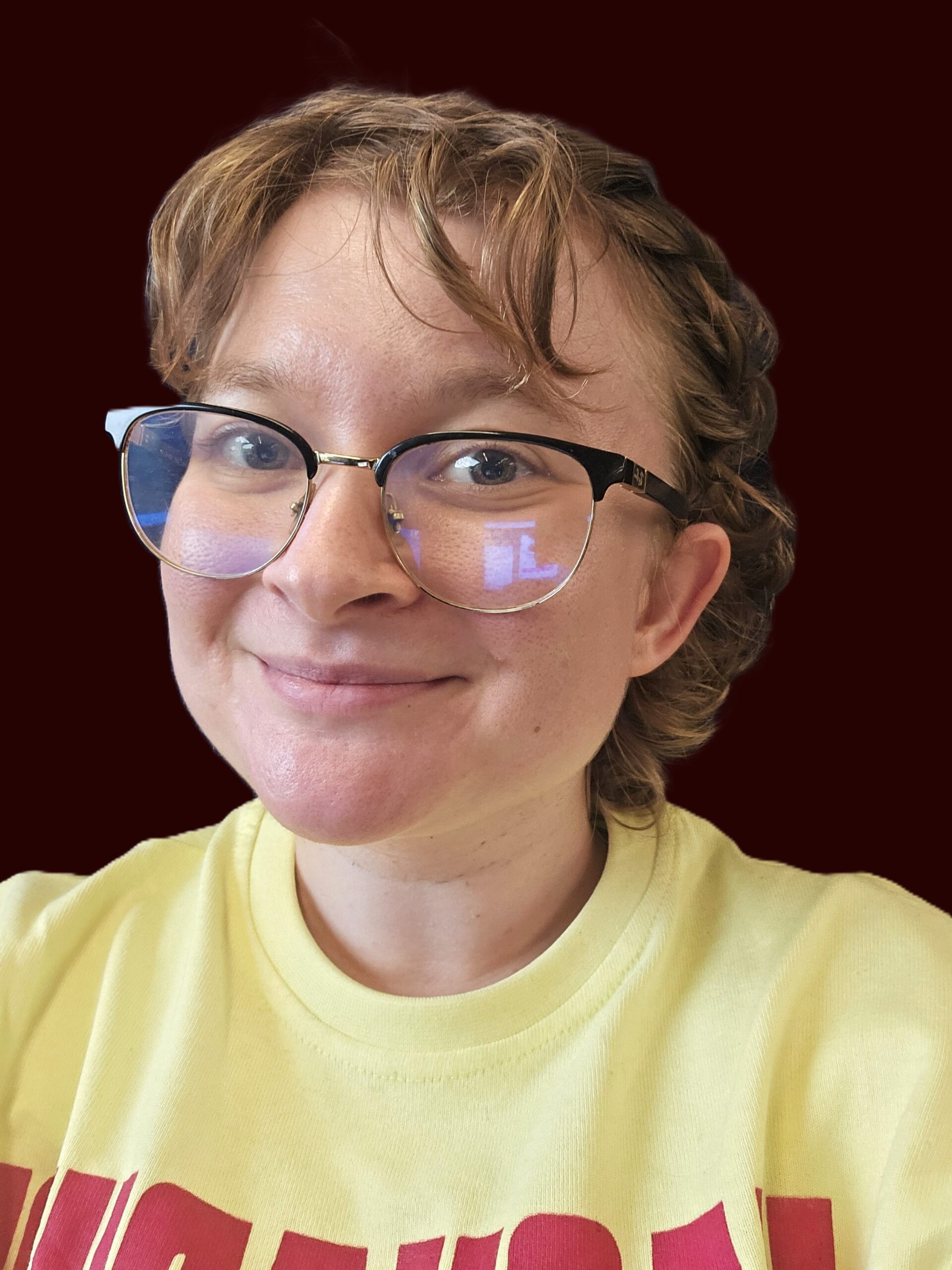
Mayra Elwes joined the Institute for Biomedical Informatics in 2024 as a PhD student and research associate. Her research focuses on generalization and domain adaptation. Her project work is on building research data infrastructure. She holds a master’s and bachelor’s in computer science at RWTH Aachen, with a minor in medicine. Her research focuses on developing machine learning methods for domain adaptation of time series data, leveraging sensor data to enhance patient care, and promoting FAIR data exchange in biomedical research. During her studies, Mayra worked on machine learning techniques for biosignal analysis. She also gained experience in medical device development and interoperability at the medical device level. |
tags: ECAI, ECAI2026, IJCAI, IJCAI2026
AUAI is supported by: