
ΑΙhub.org
The Machine Ethics podcast: organoid computing with Dr Ewelina Kurtys
Hosted by Ben Byford, The Machine Ethics Podcast brings together interviews with academics, authors, business leaders, designers and engineers on the subject of autonomous algorithms, artificial intelligence, machine learning, and technology’s impact on society.
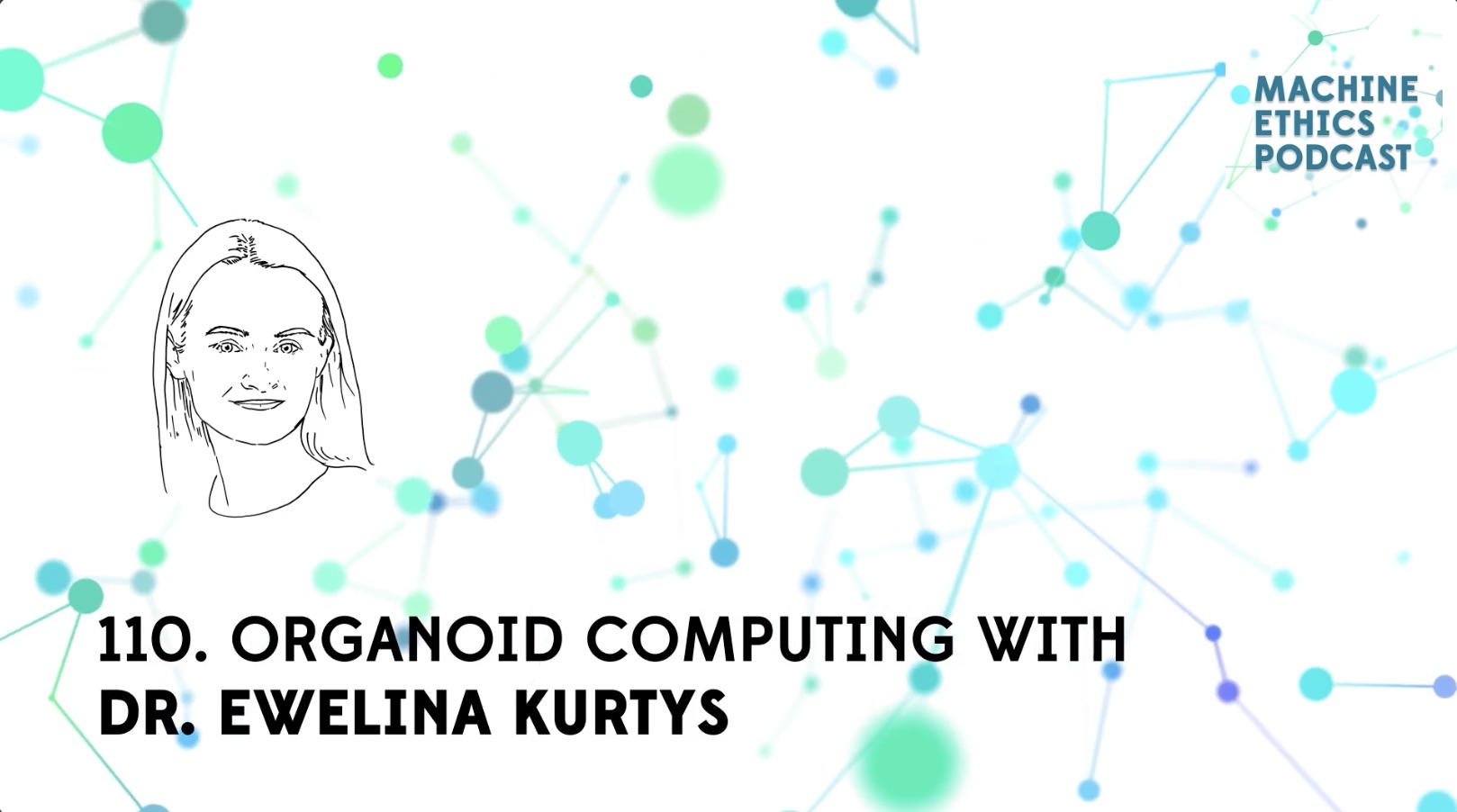
Organoid computing with Dr Ewelina Kurtys
This month Ben chats with Dr Ewelina Kurtys on the uses of organoids and energy saving computing, the unknowns in neural science, differences between biological neurons and digital neural networks, how neurons operate and encoding information, the impractical nature of recreating brain structures, the tendency to anthropomorphise, determinism and more…
Listen to the episode here:
Listen on YouTube here:
Dr Ewelina Kurtys specializes in turning advanced technologies into solutions companies can actually deploy. She works at the intersection of advanced research and real-world implementation. She currently works with Finalspark.
Ewelina’s background is in neuroscience-driven technologies and multidisciplinary R&D environments, with hands-on involvement in commercialization, partnerships, and technical positioning. She regularly speaks with engineers, innovation teams, and technical decision-makers exploring how emerging technologies can be applied in practice.
About The Machine Ethics podcast
This podcast was created and is run by Ben Byford and collaborators. The podcast, and other content was first created to extend Ben’s growing interest in both the AI domain and in the associated ethics. Over the last few years the podcast has grown into a place of discussion and dissemination of important ideas, not only in AI but in tech ethics generally. As the interviews unfold on they often veer into current affairs, the future of work, environmental issues, and more. Though the core is still AI and AI Ethics, we release content that is broader and therefore hopefully more useful to the general public and practitioners.
The hope for the podcast is for it to promote debate concerning technology and society, and to foster the production of technology (and in particular, decision making algorithms) that promote human ideals.
Join in the conversation by getting in touch via email here or following us on Bluesky and Instagram.
tags: AI ideas

AUAI is supported by:








