ΑΙhub.org
What do pilots think of having more AI in the cockpit?
By Cynthia Sear, Fabio Mattioli, Fraser Allison, Harriette Richards, Johanne Trippas, Gabby Bush, Sarah Gosper and Sarah Khorasani.
It has been over a year since international travel as we knew it ground to a halt. When the COVID-19 pandemic hit, air travel in the US dropped by 95% – from around two million travellers per day to fewer than 100,000.
Until recently, flights in and out of Australia have been limited to those trying to get home, reuniting with their loved ones, or fleeing places that were no longer safe.
Slowly, vaccination is making the possibility of taking to the skies again seem within reach. But what might have changed?
Before COVID-19, the aviation industry was struggling to find enough pilots to satisfy a growing demand for travel. Consequently, the industry started to study new technologies to help pilots deal with tight timelines and increasingly busy skies.
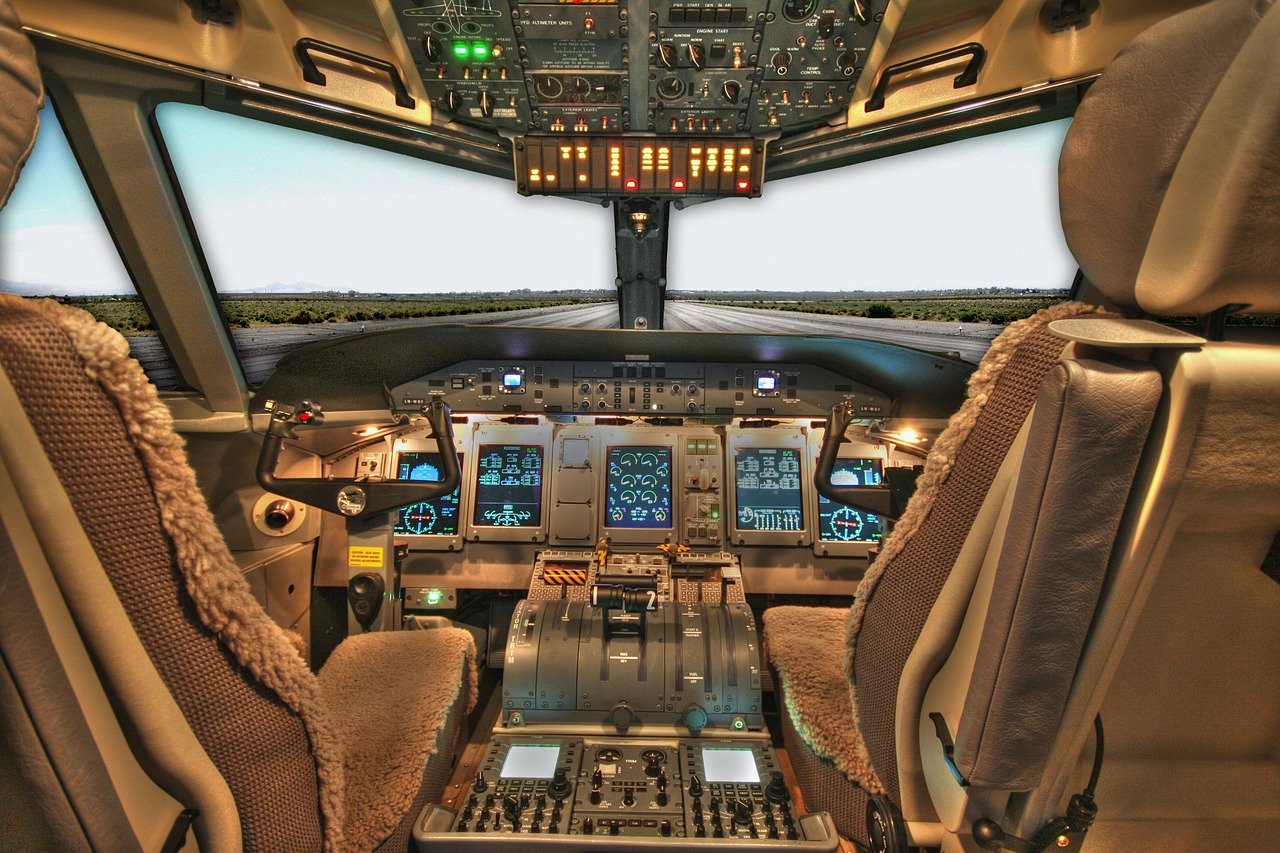
One area of increasing interest for aerospace engineers and researchers alike is the use of intelligent digital flight assistants – think a high-tech version of Amazon Alexa or Google Home – to perform some functions in the cockpit, or even eventually substitute for a co-pilot.
Are we ready for autonomous planes?
The promise and perils of self-driving cars are well known, but what about self-flying aeroplanes? Are pilots happy to use a digital assistant in the air? Can all the tasks that pilots perform be automated?
Taking advantage of the pause in international travel, cross-disciplinary researchers from the Schools of Social and Political Sciences and Computing and Information Systems at the University of Melbourne have investigated pilots’ views about digital flight assistants.
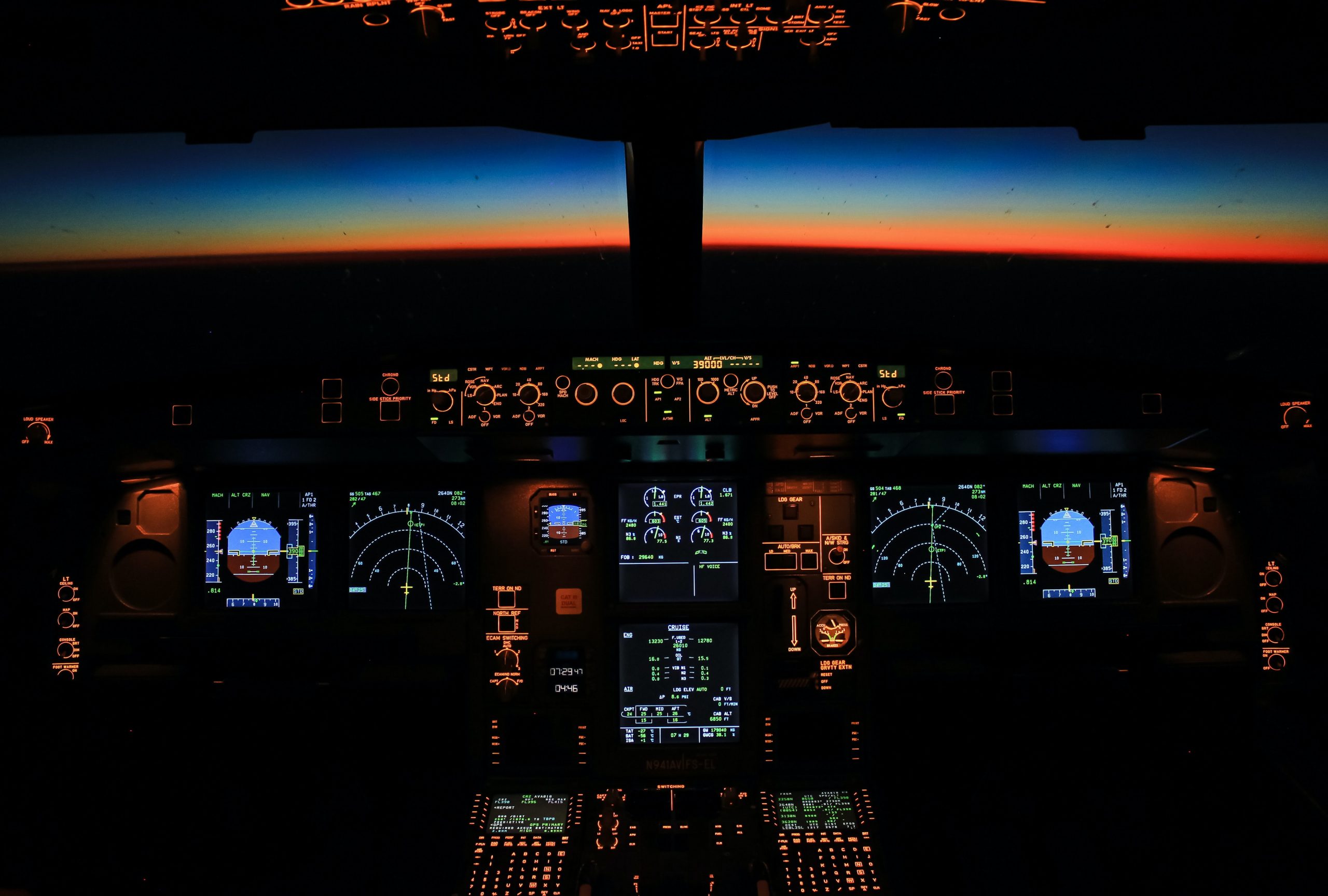
Our study ‘From Pockets to Cockpits: The Cultural Context of Digital Flight Assistants’, to be presented at the Conversational User Interfaces 2021 conference, is an ongoing project in which we are interviewing dozens of pilots on their perspectives of the growing automation of aviation.
Pilots like technology
It was clear from our pilots that they enjoyed working with new technologies – not only on the job, but also at home. Many said they already used personal voice assistants at home like Alexa, Siri and others, and they showed a keenness to imagine how future automation could help in their everyday lives.
Some had even built their own new automated systems — to open their garage door remotely or turn heating on before getting home.
When it comes to the cockpit, there are lots of things that technology could do to improve the way we fly – like NASA exploring electric airplanes to reduce carbon emissions. The pilots in our study felt that given the right considerations, digital assistants could improve the way they fly, too.
Safety
Safety is of the utmost importance for passengers and pilots alike – we want to get from A to B in one piece and pilots want to make sure that happens. The use of autonomous technologies for transport can give rise to safety concerns – for example, that voice commands will be misinterpreted, especially given the different accents of pilots of different nationalities, or that the system will ‘go rogue’.
Pilots in our study saw a role for digital voice assistants in enhancing the safety of both pilots and passengers.
They were primarily interested in using digital voice assistants to ensure further safety precautions – like real-time monitoring of weather patterns from multiple sources and integrating existing systems into a centralised interface.
They also thought that digital assistants could prove to be crucial during single pilot flights given the potential they have for reducing the pilot’s mental workload and allowing them to focus on safety-critical tasks.
However, pilots also saw several potential issues with digital flight assistants. What if the flight assistant distracts the pilot’s attention during a crucial moment of focus? Will flight assistants be responsive to the subtle emotional cues that human co-pilots use to know when to speak up and when to be quiet?
Will flight assistants enhance or complicate the relationship between pilots and co-pilots? How can pilots verify or remember the information that flight assistants tell them? And who will have access to the flight assistant’s conversation logs?
No one likes an overzealous backseat driver, especially if they have the power to report you to your employer – will digital flight assistants end up being a form of workplace surveillance in the skies?
Machine learning and AI experts often say that most of us aren’t likely to lose our jobs to autonomous systems any time soon. For now, digital flight assistants are prototypes, and cannot easily replace all the things that pilots do.
Asking the pilots
Perhaps instead of trying to optimise digital flight assistants to replace pilots, it would be better to design these technologies as assistants for their human operators?
As this research shows, the first step is to ask pilots themselves, and have them involved at the core of the design of future autonomous systems.
Because, if the pilot in the cockpit trusts the technology, then us passengers can indeed relax and enjoy the flight.

This article was first published on Pursuit. Read the original article.

AUAI is supported by: