ΑΙhub.org
The Machine Ethics podcast: AI regulation with Lofred Madzou
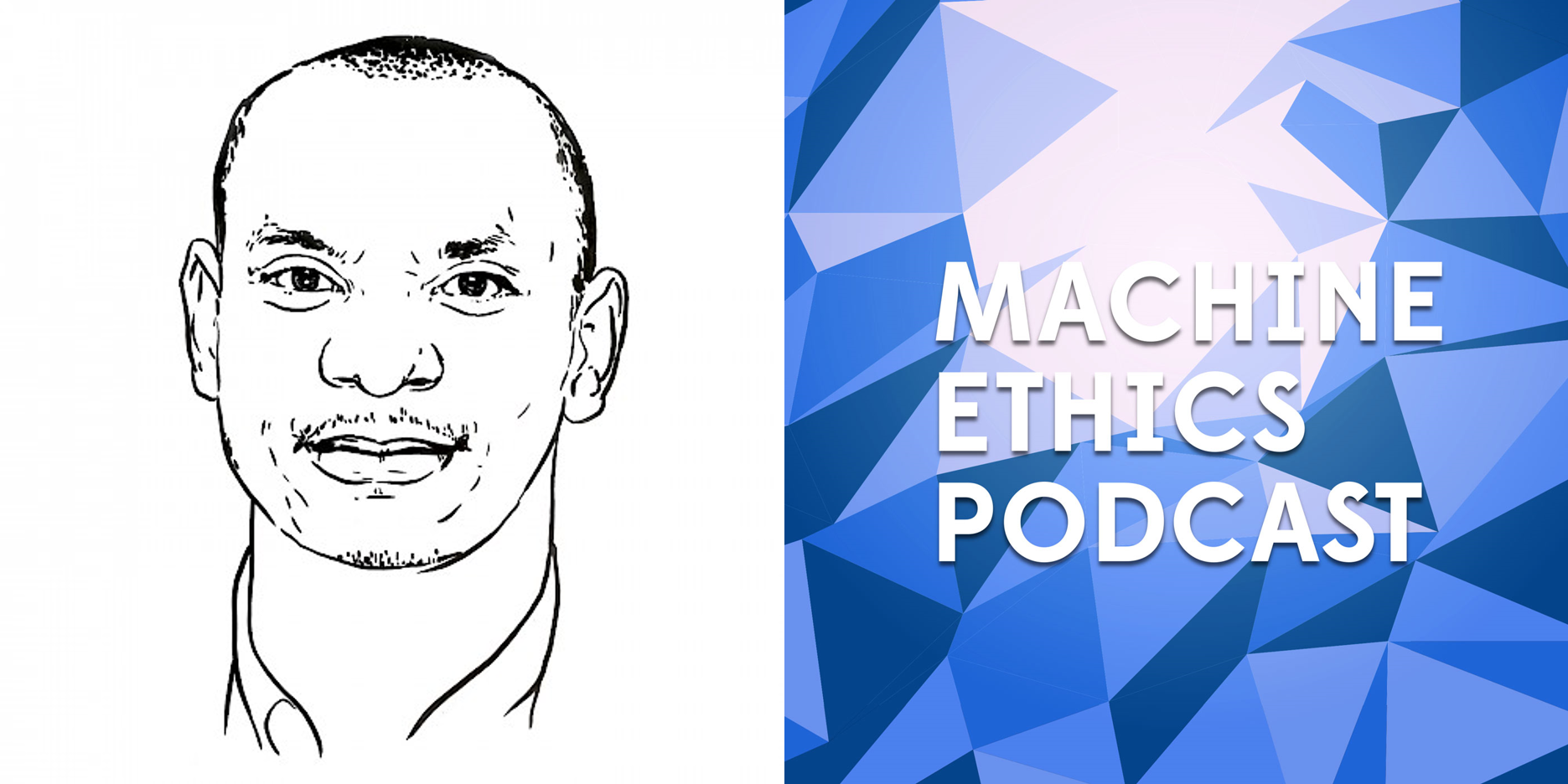
Hosted by Ben Byford, The Machine Ethics Podcast brings together interviews with academics, authors, business leaders, designers and engineers on the subject of autonomous algorithms, artificial intelligence, machine learning, and technology’s impact on society.
AI regulation
We chat with Lofred Madzou about AI as a journey to understand ourselves through smart machines, scepticism about wholesale job loss, understanding that “you are not your data”, dissecting the European proposal for AI regulation, examples of types of AI activities under regulation, the spirit of the regulation – human rights-centric, risk-based approaches, infringement exposition and compliance…
Listen to the episode here:
Lofred Madzou is a Project Lead for AI at the World Economic Forum, where he oversees global and multistakeholder AI policy projects. He is also a research associate at the Oxford Internet Institute where he investigates various methods to audit AI systems.
Before joining the Forum, he was a policy officer at the French Digital Council, where he advised the French Government on technology policy. Most notably, he has co-written chapter five of the French AI National Strategy, entitled “What Ethics for AI?”. He has a MSc in Data Science and Philosophy from the University of Oxford.
About The Machine Ethics podcast
This podcast was created, and is run by, Ben Byford and collaborators. Over the last few years the podcast has grown into a place of discussion and dissemination of important ideas, not only in AI but in tech ethics generally.
The goal is to promote debate concerning technology and society, and to foster the production of technology (and in particular: decision making algorithms) that promote human ideals.
Ben Byford is a AI ethics consultant, code, design and data science teacher, freelance games designer with over 10 years of design and coding experience building websites, apps, and games. In 2015 he began talking on AI ethics and started the Machine Ethics podcast. Since then, Ben has talked with academics, developers, doctors, novelists and designers about AI, automation and society.
Join in the conversation with us by getting in touch via email here or following us on Twitter and Instagram.

AUAI is supported by: