ΑΙhub.org
The Good Robot Podcast: featuring Arjun Subramonian
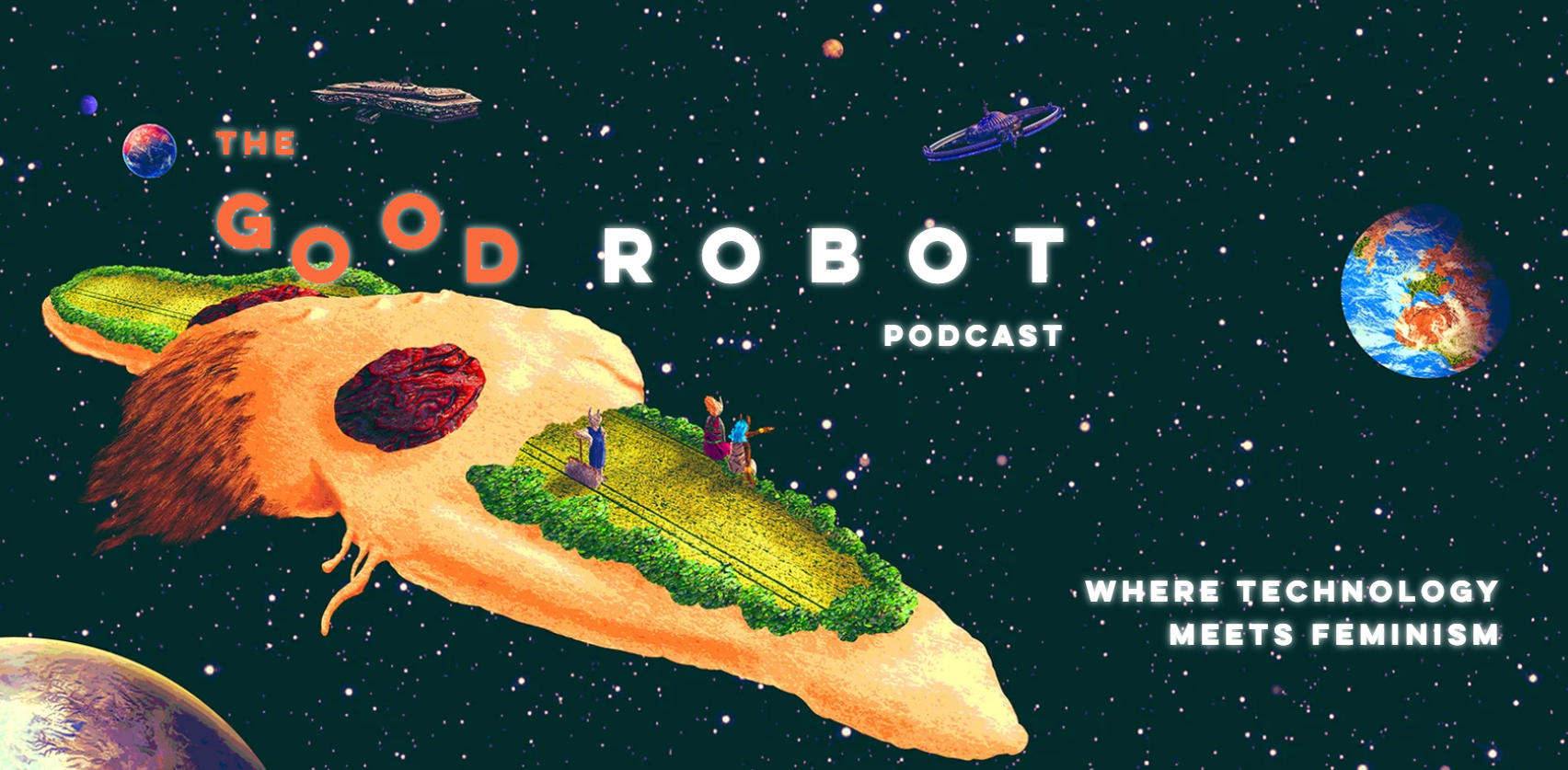
Hosted by Eleanor Drage and Kerry Mackereth, The Good Robot is a podcast which explores the many complex intersections between gender, feminism and technology. In this episode, Eleanor and Kerry talk to Arjun Subramonian on queer approaches to AI and computing.
Arjun Subramonian on queer approaches to AI and computing
In this episode we talk to Arjun Subramonian, a Computer Science PhD student at UCLA conducting machine learning research and a member of the grassroots organisation Queer in AI. In this episode we discuss why they joined Queer in AI, how Queer in AI is helping build artificial intelligence directed towards better, more inclusive, and queer futures, why ‘bias’ cannot be seen as a purely technical problem, and why Queer in AI rejected Google sponsorship.
Listen to the episode here:
For the reading list and transcript for this episode, visit The Good Robot website.
Arjun Subramonian (pronouns: they/them) is a brown queer, agender PhD student at the University of California, Los Angeles. Their research focuses on graph representation learning, fairness, and machine learning (ML) ethics. They’re a core organizer of Queer in AI, co-founded QWER Hacks, and teach machine learning and AI ethics at Title I schools in LA. They also love to run, hike, observe and document wildlife, and play the ukulele.
About The Good Robot Podcast
Dr Eleanor Drage and Dr Kerry Mackereth are Research Associates at the Leverhulme Centre for the Future of Intelligence, where they work on the Mercator-Stiflung funded project on Desirable Digitalisation. Previously, they were Christina Gaw Postdoctoral Researchers in Gender and Technology at the University of Cambridge Centre for Gender Studies. During the COVID-19 pandemic they decided to co-found The Good Robot Podcast to explore the many complex intersections between gender, feminism and technology.
AUAI is supported by: