
ΑΙhub.org
The Machine Ethics podcast: Running faster with Enrico Panai
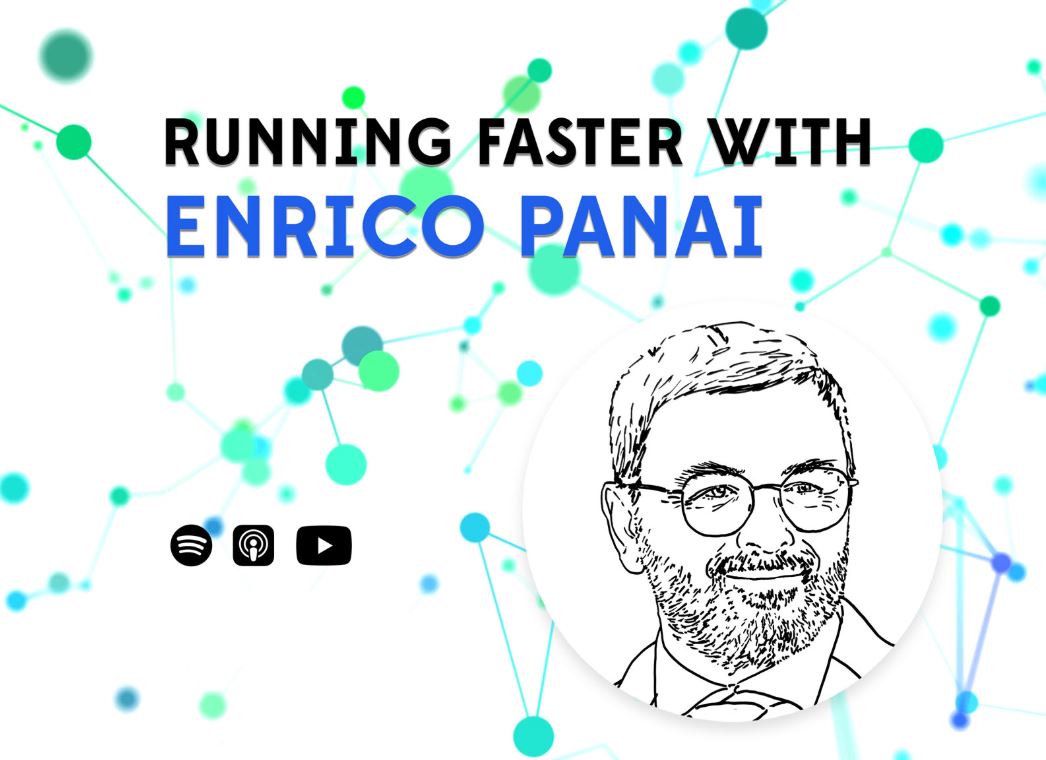
Hosted by Ben Byford, The Machine Ethics Podcast brings together interviews with academics, authors, business leaders, designers and engineers on the subject of autonomous algorithms, artificial intelligence, machine learning, and technology’s impact on society.
Running faster with Enrico Panai
This episode we’re chatting with Enrico Panai about the elements of the digital revolution, AI transforming data into information, human-computer interaction, the importance of knowing the tech as a tech philosopher, that ethicists should diagnose not judge, quality and making pasta, whether ethics is really a burden for companies or if you can run faster with ethics, and finding a Marx for the digital world.
Listen to the episode here:
Enrico Panai is an AI ethicist with a background in philosophy and extensive consulting experience in Italy. He spent seven years as an adjunct professor of Digital Humanities at the University of Sassari. Since moving to France in 2007, he has continued his work as a consultant. In 2017, he studied Strategies for Cyber Security Awareness at the Institut National de Hautes Études de la Sécurité et de la Justice in Paris. Holding a PhD in Cybergeography and AI Ethics, he is the founder of the consultancy BeEthical.be. He serves as a professor of Responsible AI at EMlyon Business School, ISEP in Paris, and La Cattolica in Milan. Additionally, he is the president of the Association of AI Ethicists.
Currently, his main role is as an officer of the French Standardization Committee for AI and convenor of the working group on fundamental and societal aspects of AI at the European CEN-CENELEC JTC21—the European standardization body focused on producing deliverables that address European market and societal needs. Among the core standards managed are Trustworthiness of AI, Competences of professional AI ethicists and Sustainable AI. His main research interests concern cyber-geography, human-information interaction, philosophy and ethics of information and semantic capital.
About The Machine Ethics podcast
This podcast was created and is run by Ben Byford and collaborators. The podcast, and other content was first created to extend Ben’s growing interest in both the AI domain and in the associated ethics. Over the last few years the podcast has grown into a place of discussion and dissemination of important ideas, not only in AI but in tech ethics generally. As the interviews unfold on they often veer into current affairs, the future of work, environmental issues, and more. Though the core is still AI and AI Ethics, we release content that is broader and therefore hopefully more useful to the general public and practitioners.
The hope for the podcast is for it to promote debate concerning technology and society, and to foster the production of technology (and in particular, decision making algorithms) that promote human ideals.
Join in the conversation by getting in touch via email here or following us on Twitter and Instagram.

AUAI is supported by:








