ΑΙhub.org
Focus on life on land: call for contributions
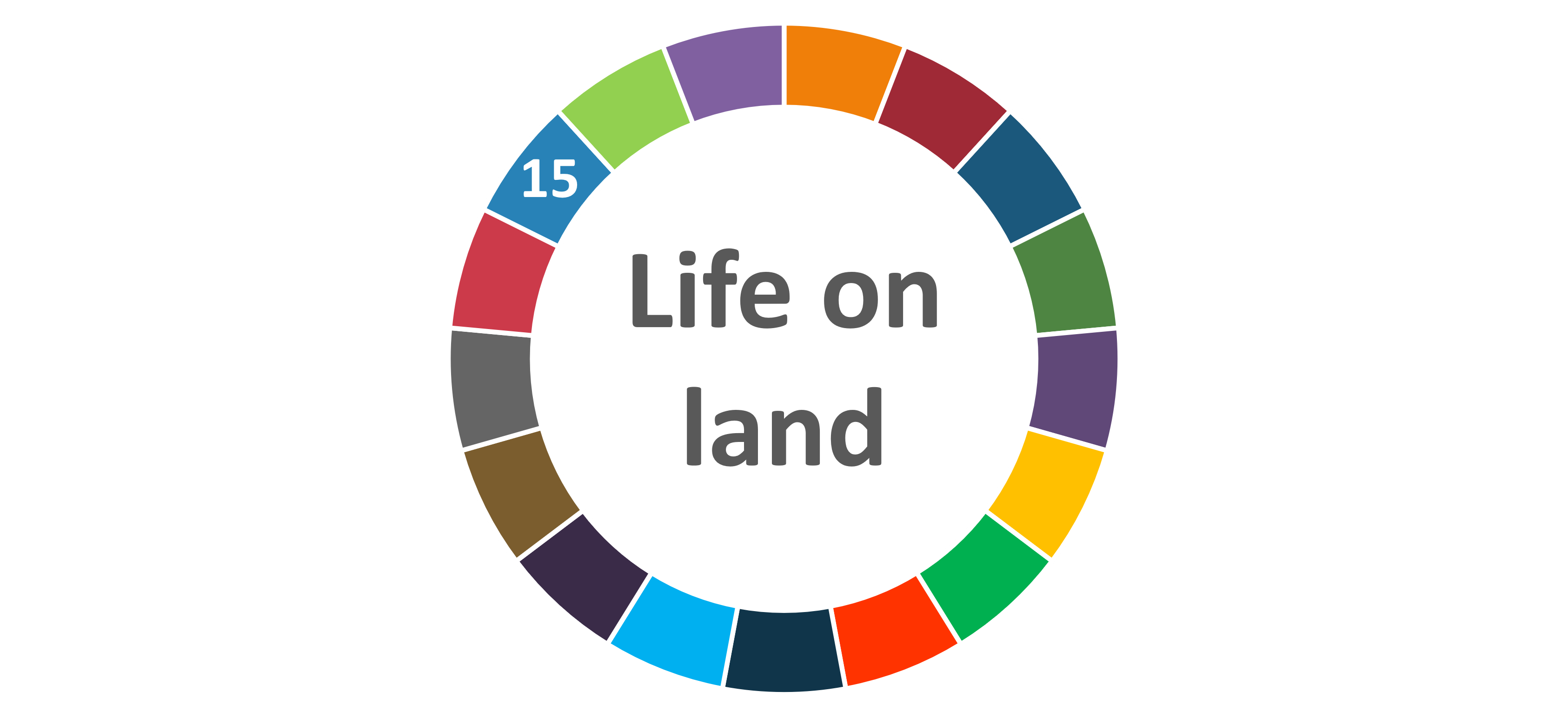
We are launching the next topic in our focus series on the UN sustainable development goals (SDGs). We will soon start publishing posts relating the goal of “life on land”, which is SDG number 15 on the UN list.
Would you like to get involved?
We are looking for researchers, users and stakeholders to write, or talk, about their work. If you are interested in communicating your research efforts to a wider audience then please do get in touch. Likewise, if you would like to make recommendations for people or specific topics we should feature, just send us an email.
The UN’s aim with this goal is to protect, restore and promote sustainable use of terrestrial ecosystems, sustainably manage forests, combat desertification, and halt and reverse land degradation and halt biodiversity loss. In this focus issue we’ll be considering any AI work, or opinion and discussion pieces, relating to these topics.
The deadline for contributions is 15 October 2021.
About the UN Sustainable Development Goals
The Sustainable Development Goals (SDGs) are a collection of 17 interlinked goals designed to be a “blueprint to achieve a better and more sustainable future for all”. The SDGs were set in 2015 by the United Nations General Assembly and are intended to be achieved by the year 2030.
The 17 SDGs are: (1) No Poverty, (2) Zero Hunger, (3) Good Health and Well-being, (4) Quality Education, (5) Gender Equality, (6) Clean Water and Sanitation, (7) Affordable and Clean Energy, (8) Decent Work and Economic Growth, (9) Industry, Innovation and Infrastructure, (10) Reducing Inequality, (11) Sustainable Cities and Communities, (12) Responsible Consumption and Production, (13) Climate Action, (14) Life Below Water, (15) Life On Land, (16) Peace, Justice, and Strong Institutions, (17) Partnerships for the Goals.
The world bank have created a series of interactive visualisations to display some key measures relating to each SDG. See the one for life on land here. Access the whole series here.
Read articles on our previously featured topics
Good health and well-being
Climate action
Quality education
Life below water
Reduced inequalities
Affordable and clean energy

tags: Focus on life on land, Focus on UN SDGs, quick read

AUAI is supported by: