
ΑΙhub.org
Identifying patterns in insect scents using machine learning
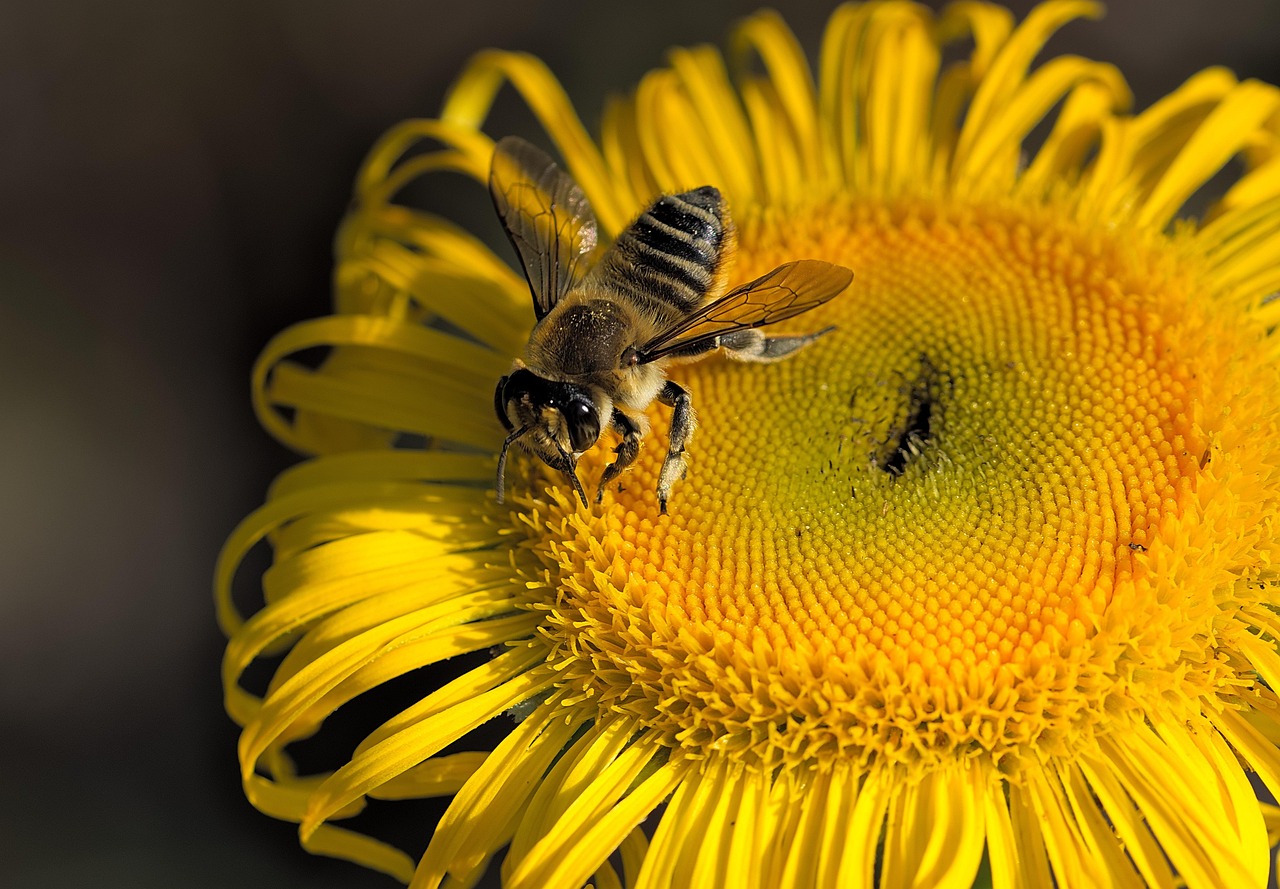
Scents play a central role in nature, as olfactory interactions are the language of life. In a new research project of the UvA Molecular and Materials Design Technology hub, scientists will use machine learning to predict what types of olfactory molecules interact with insect olfactory receptors. This information is important to develop safe-by-design molecules that do not interfere with insect olfaction.
Scents play a central role in the lives of living beings, from locating food and mates to sensing and avoiding danger. Insects use many different types of scents, such as sex, trail, alarm and aggregation pheromones, as well as plant odors to locate their host plants. As the number of insects is rapidly decreasing, which is detrimental to ecosystem functioning, it is essential to know what type of molecules interact with insect olfactory receptors. This way, newly developed chemicals do not interfere with insect chemical communication signals and cues.
To date, much is still unknown about what properties of scent chemicals cause interactions with insect olfactory receptors. Researchers of the MMD TechHub therefore aim to create the first large database of insect scents that have been found to bind to insect receptors, which they will use for a machine learning model that can identify patterns in these scents.
This project is a collaboration between evolutionary biologist Astrid Groot, mathematician Jo Ellis-Monaghan, data scientist Patrick Forré, chemist Saer Samanipour, and postdoc Thanet Pitakbut.
Binding to receptor
The researchers currently have a database of approximately 25,000 data points. The data includes various types of scents, including pheromones and communication chemicals. For each scent molecule, the database includes both the chemical structure and the receptor proteins to which it binds. However, the exact binding location on the receptors is mostly unknown. The scientists aim to link the chemicals to specific regions of the receptor proteins to identify binding patterns.
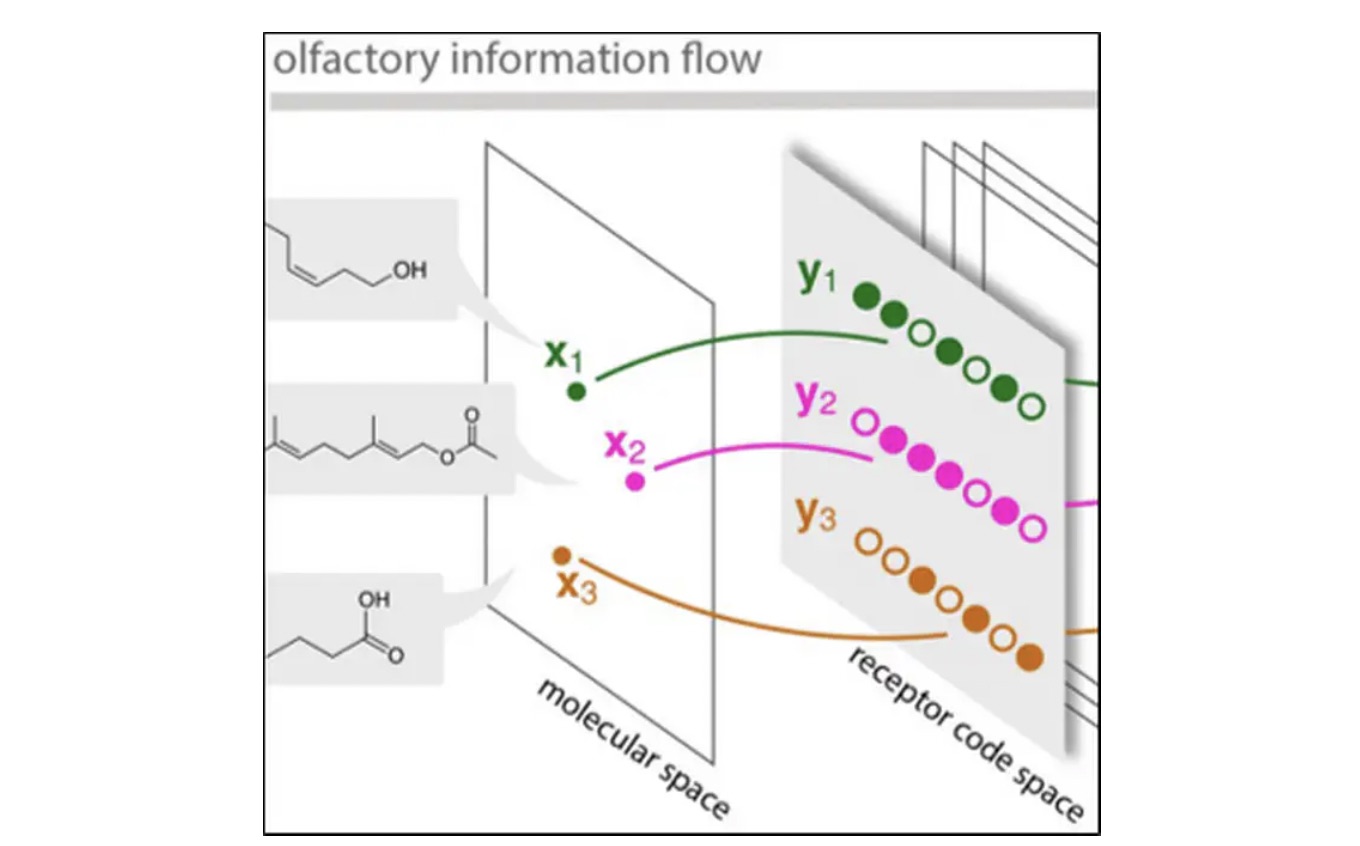 The researchers aim to determine which scent chemicals (X1/2/3) bind to which specific parts of the receptor proteins (Y1/2/3 dots) using machine learning.
Developing a comprehensive database
A lot of scattered and not publicly available data is present on insect scent chemicals and olfactory receptors. To build the most inclusive database, the researchers have created an international consortium of insect olfaction scientists who are willing to share all their available data.
This consortium thus facilitates collaboration and knowledge sharing. The consortium is currently establishing a standard protocol for data collection, which is a crucial aspect of the project. Pitakbut: “In the end, people benefit from sharing data. In this way, we can use AI technology together and move forward together.”
Testing on insects
Although the MMD project currently focuses on data collection and machine learning development, the ultimate aim of this project is to develop a safe-by-design pipeline for scent molecules. Once the machine learning model can find binding patterns, the model can be used to predict if newly designed chemicals may bind to insect receptors.
The accuracy of these predictions can be tested by conducting so-called electroantennogram recordings: by puffing a chemical over an insect antenna, which is the insect’s nose, a change in electro potential in the antenna happens when this chemical binds to one or more olfactory receptors present on the antenna. These recordings are relatively easy and give the researchers the unique opportunity to biologically test the model predictions.

AIhub is supported by:








