ΑΙhub.org
2026 AAAI / ACM SIGAI Doctoral Consortium interviews compilation
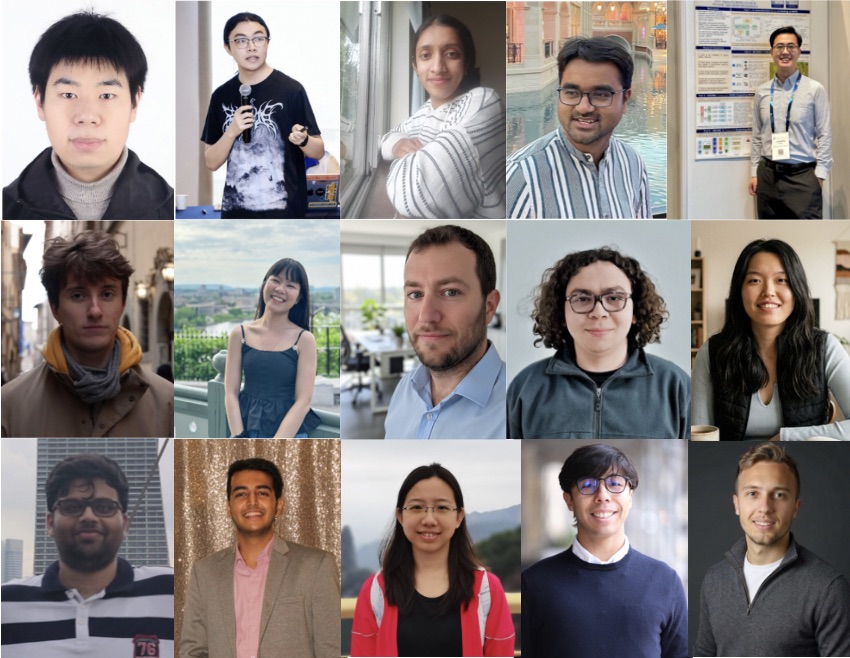
Contributors to the 2026 Doctoral Consortium series.
Each year, a small group of PhD students are chosen to participate in the AAAI/SIGAI Doctoral Consortium. This initiative provides an opportunity for the students to discuss and explore their research interests and career objectives in an interdisciplinary workshop together with a panel of established researchers. During 2026, we met with some of the students to find out more about their research and the doctoral consortium experience. Here, we collate the interviews.
Interview with Xiang Fang: Multi-modal learning and embodied intelligence
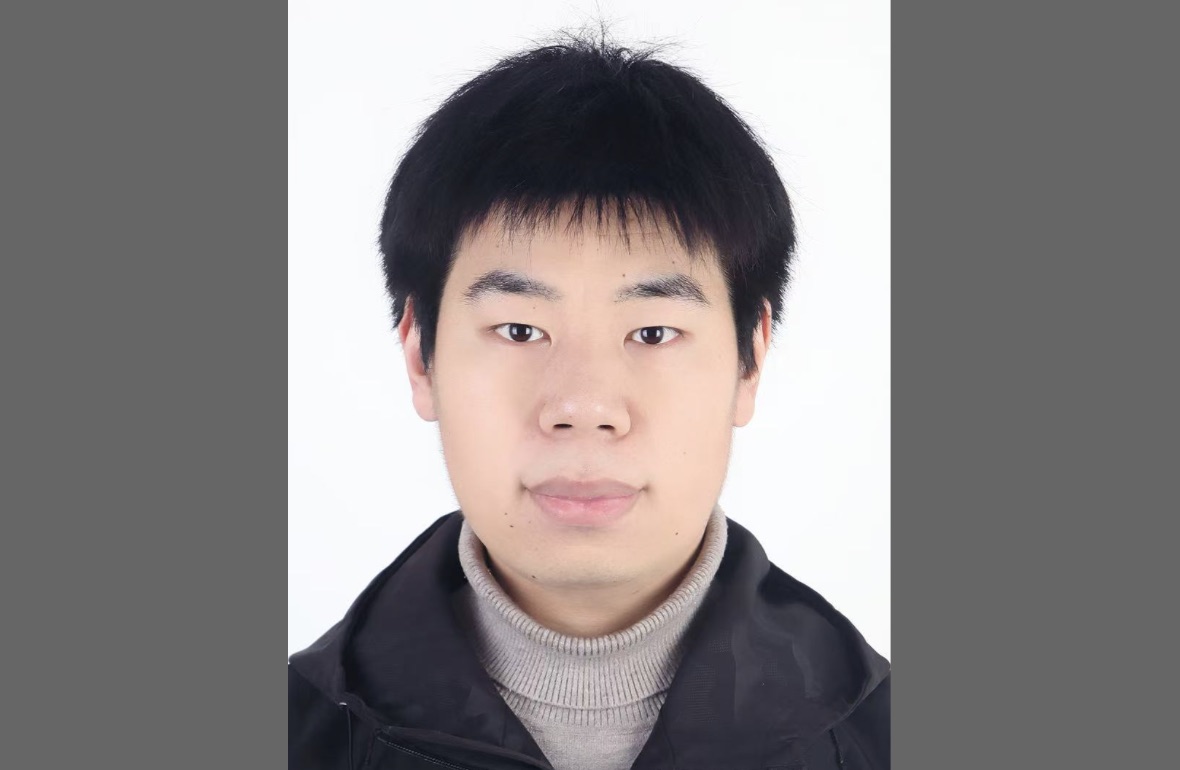
Xiang Fang has been conducting his PhD research at Nanyang Technological University (NTU) in Singapore. Broadly speaking, his work focuses on multi-modal learning and embodied intelligence. He is trying to bridge the gap between how AI ‘sees’ the world (computer vision) and how it ‘understands’ language.
Interview with Zijian Zhao: Labor management in transportation gig systems through reinforcement learning
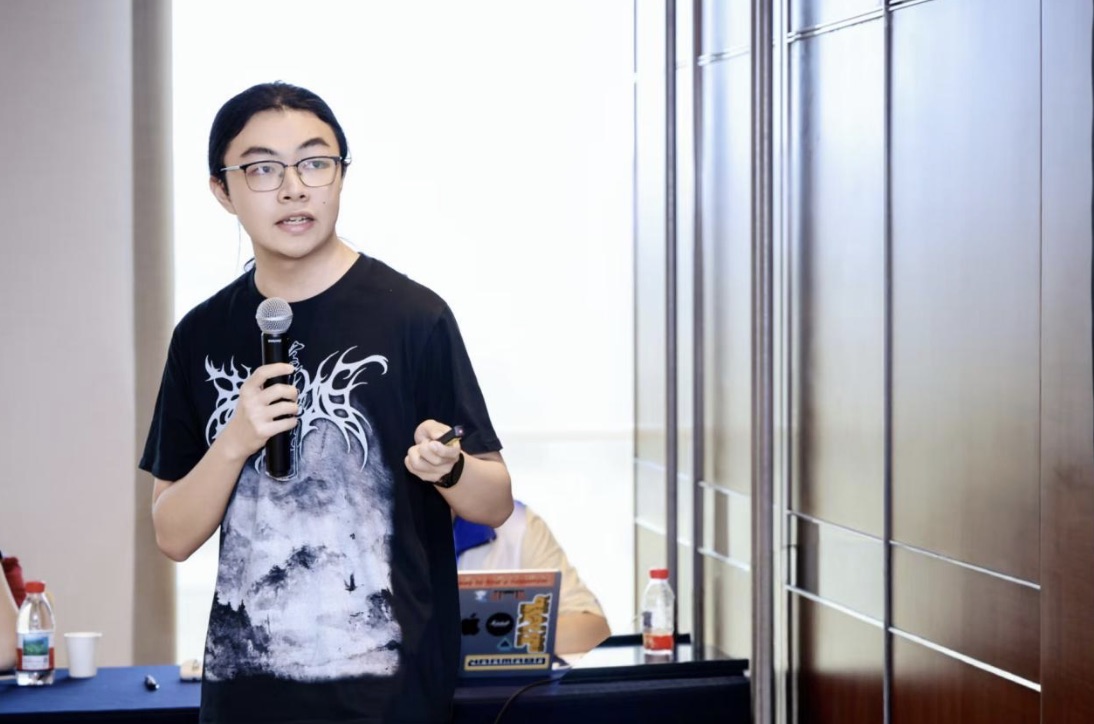
Zijian Zhao is currently concentrating on labor management in transportation gig systems through reinforcement learning. His aim is to enhance system efficiency while also identifying and mitigating algorithmic discrimination against workers. Zijian is a PhD student at the Hong Kong University of Science and Technology.
Interview with Deepika Vemuri: interpretability and concept-based learning
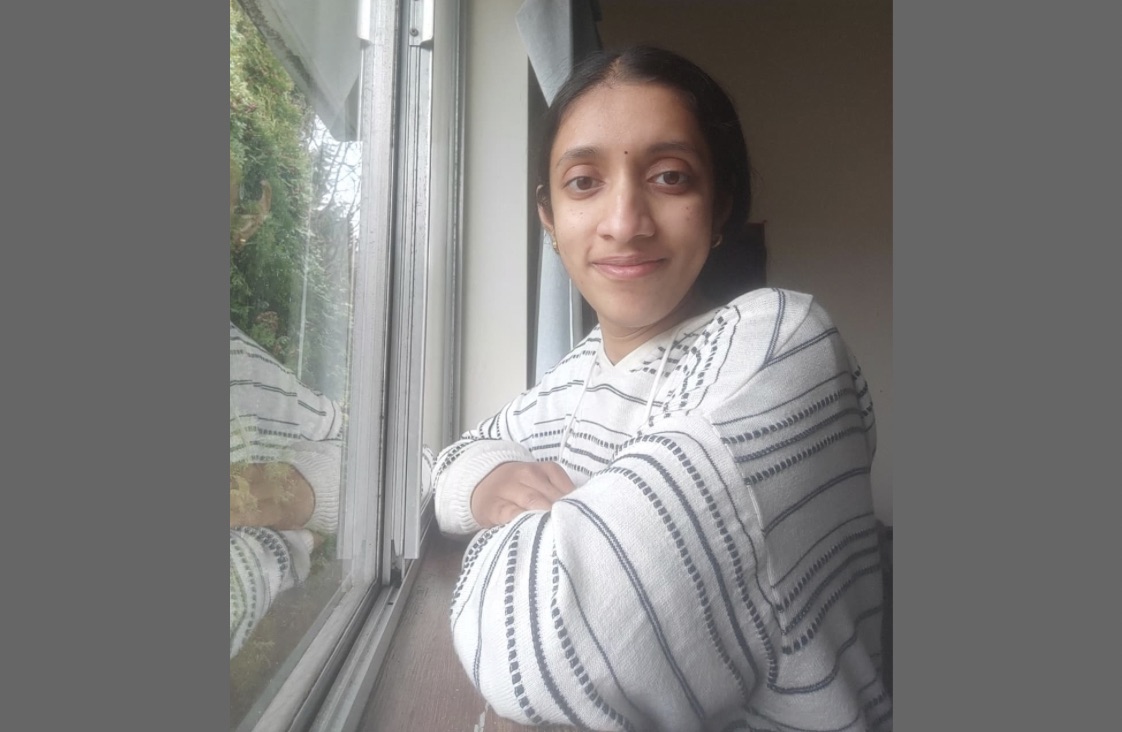
Deepika Vemuri, a PhD student from IIT Hyderabad, is working on interpretability and concept-based learning. She approaches this from a concept-based learning perspective, a paradigm that aims to guide the learning process of models through high-level, human-understandable concepts.
Causal models for decision systems: an interview with Matteo Ceriscioli

Matteo Ceriscioli is a PhD student at Oregon State University, specializing in causality. Specifically, he is working on causal discovery and causal models for decision systems. The idea is to integrate causal knowledge into agents or decision systems to make them more reliable.
Interview with Xinwei Song: strategic interactions in networked multi-agent systems
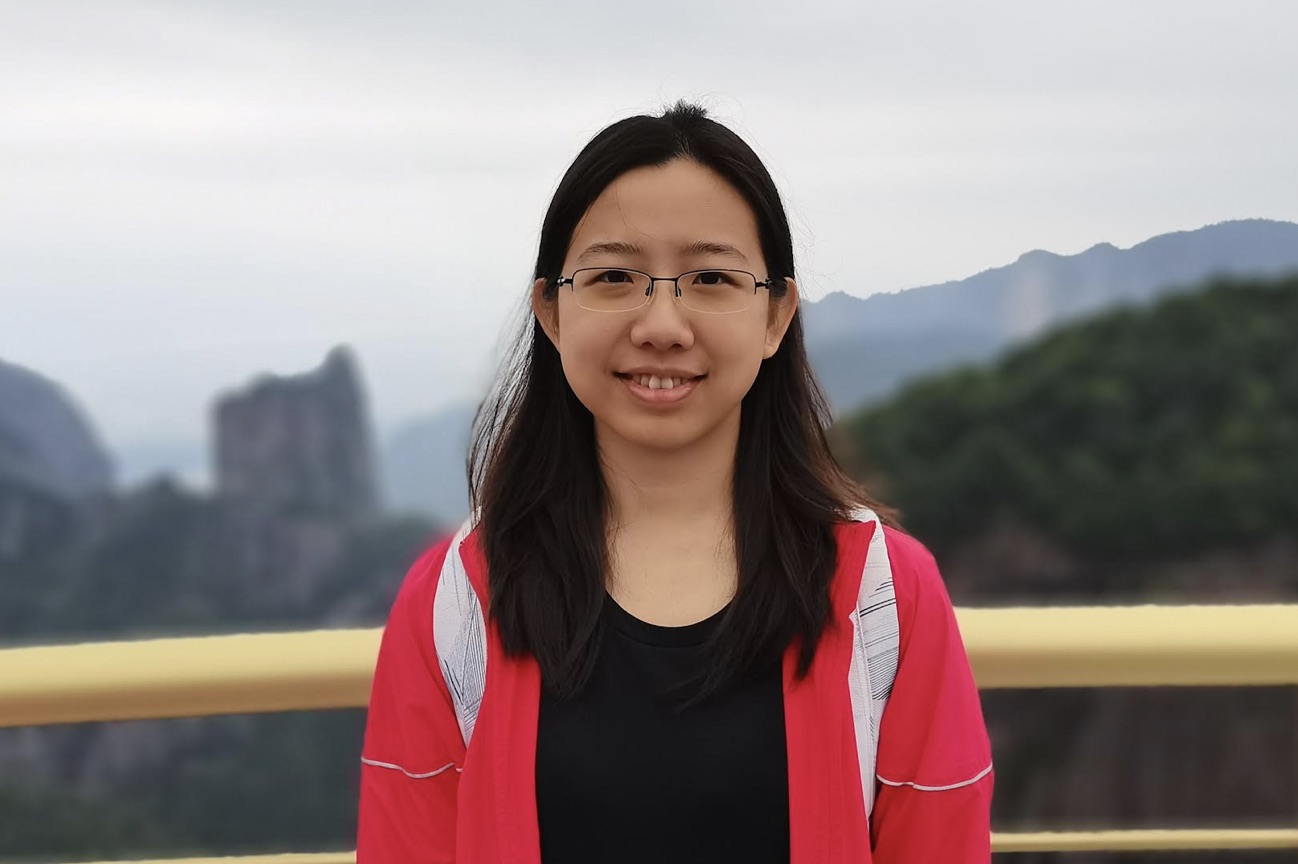
Xinwei Song’s research focuses on strategic interactions in networked multi-agent systems via algorithmic game theory and multi-agent reinforcement learning. She is a PhD student in a joint program at ShanghaiTech University and the Beijing Institute for General Artificial Intelligence.
Formal verification for safety evaluation of autonomous vehicles: an interview with Abdelrahman Sayed Sayed
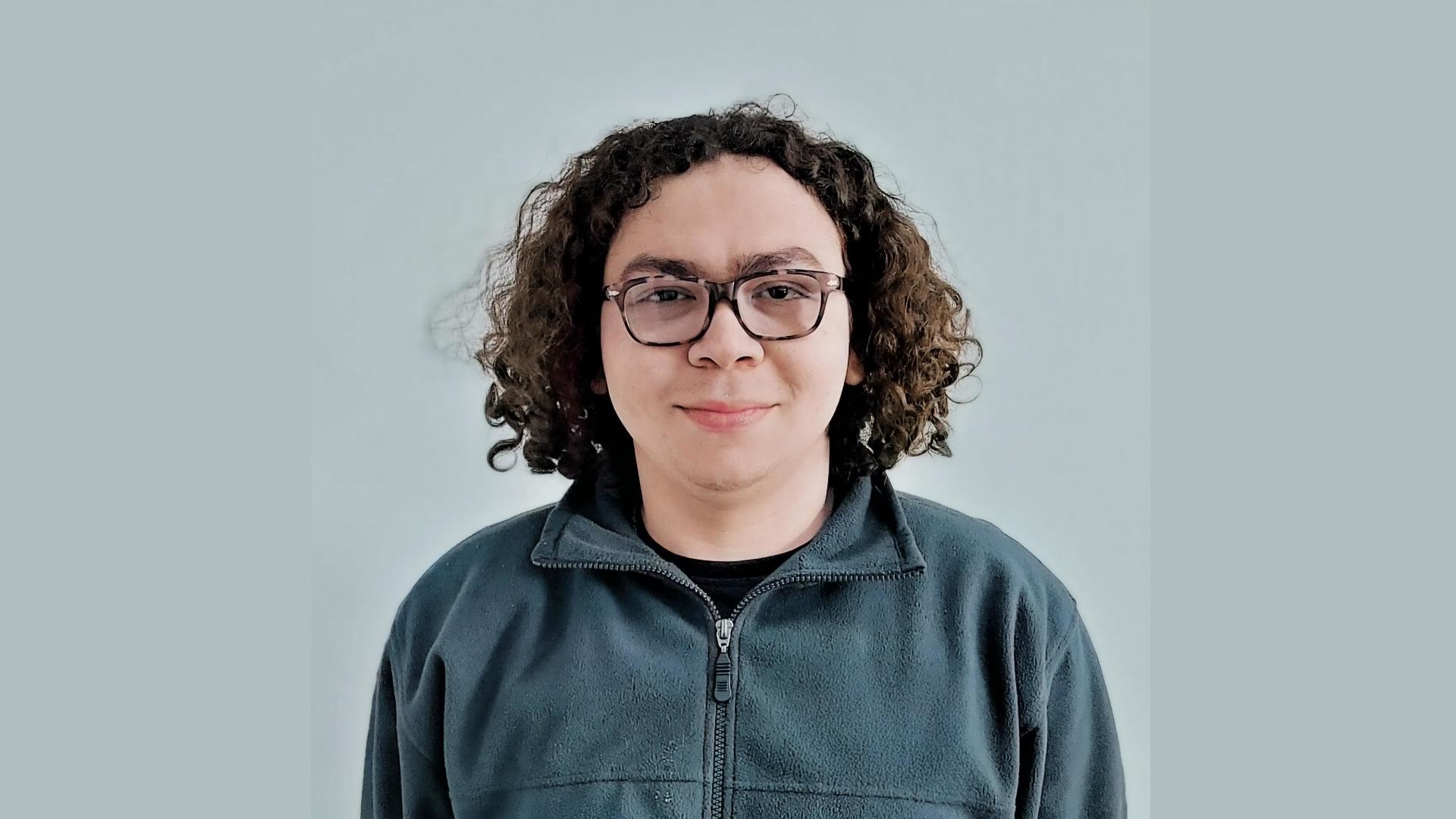
A Marie Skłodowska-Curie PhD Fellow at Université Gustave Eiffel in France, Abdelrahman Sayed Sayed is studying formal verification of neural ODE (ordinary differential equations) for safety evaluation in autonomous vehicles. His work is both theoretical and applied, specifically to autonomous vehicles in marine and maritime domains.
Scaling up multi-agent systems: an interview with Minghong Geng
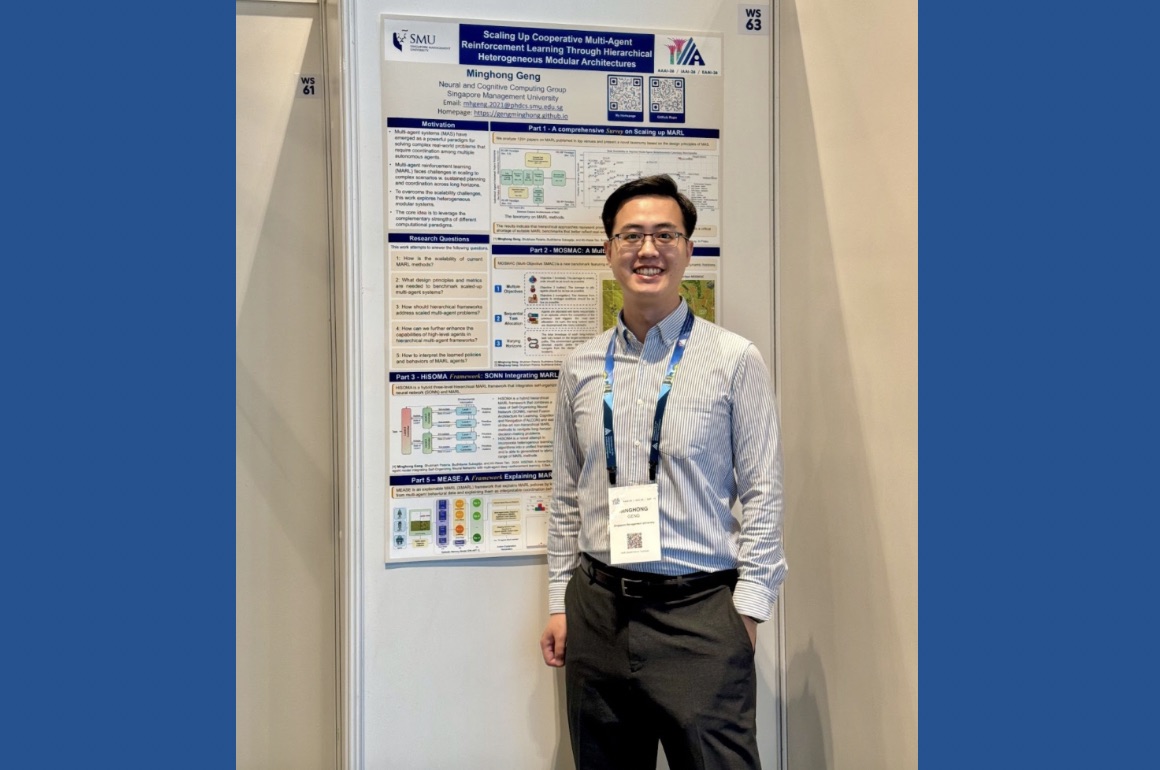
Minghong Geng is now working as a postdoctoral researcher at Singapore Management University. His research problem is scaling up multi-agent systems. That could be to include more agents in the system or to apply the existing systems to larger-scale problems, such as longer-horizon problems.
Resource-constrained image generation and visual understanding: an interview with Aniket Roy
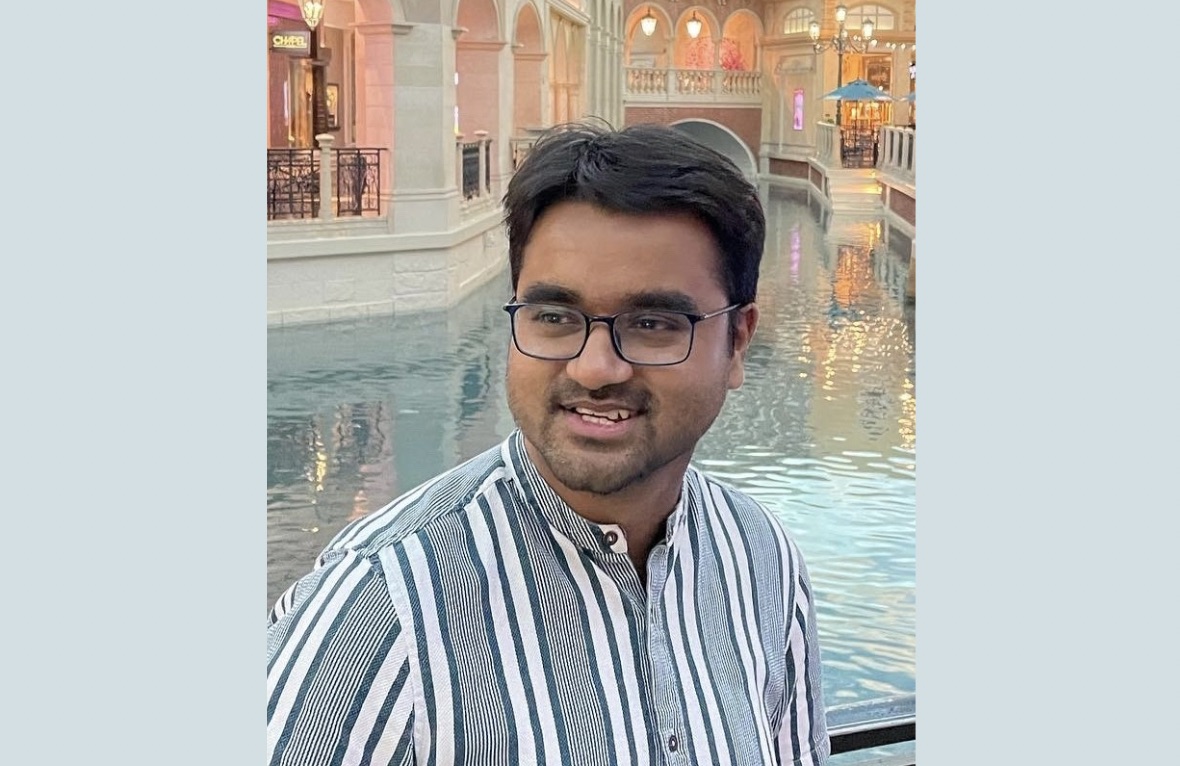
Aniket Roy completed his PhD in Computer Science at Johns Hopkins University. His research primarily focused on developing methods for resource-constrained image generation and visual understanding. In particular, he explored how modern generative models can be adapted to operate efficiently while maintaining strong performance.
AI and Theory of Mind: an interview with Nitay Alon
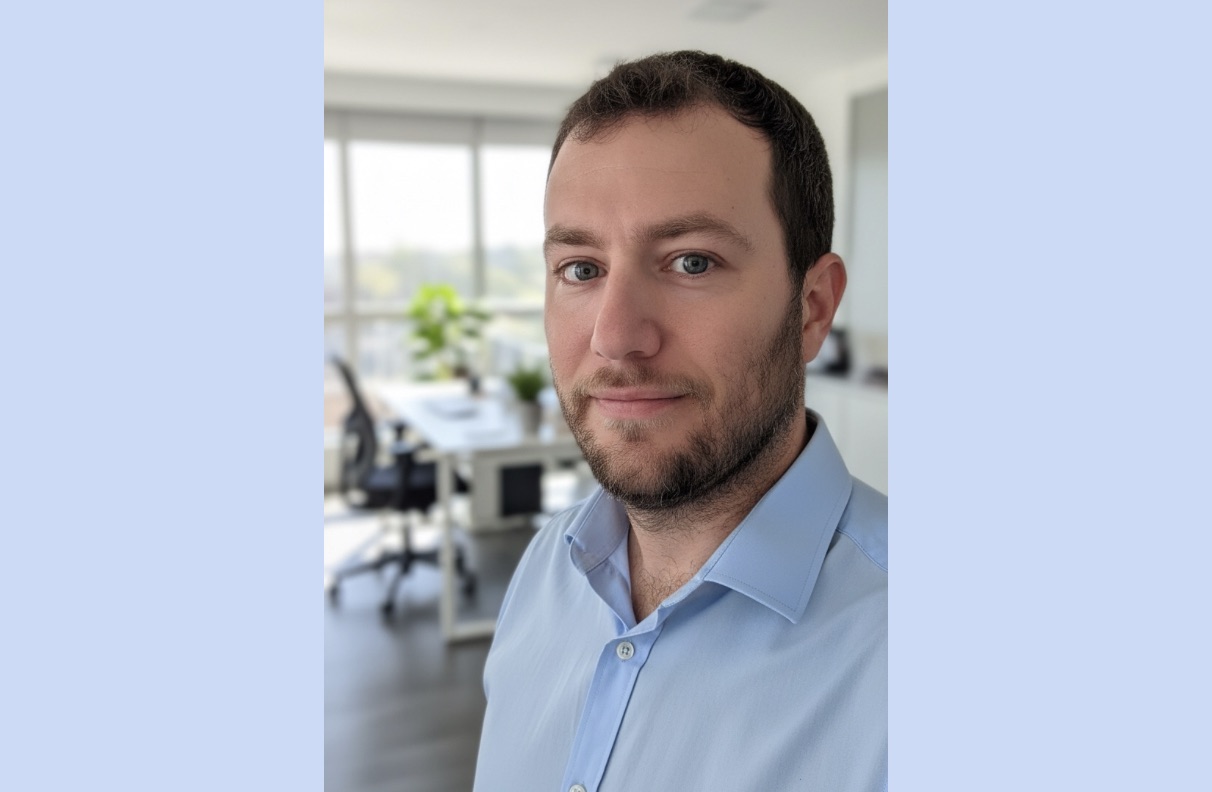
Nitay Alon received his PhD from the Hebrew University and Max Planck Institute for Cybernetics. We talked about the fascinating topic of Theory of Mind, how this plays out in deceptive environments, multi-agent systems, the interdisciplinary nature of this field, when to use Theory of Mind, and when not to.
Studying the properties of large language models: an interview with Maxime Meyer

Maxime Meyer is PhD student in the mathematics department at the National University of Singapore, mostly interested in studying the theoretical foundations of large language models. His goal is to shed light on the fundamental equations that govern them.
Interview with Thi Kieu Khanh Ho: Time-series anomaly detection

Thi Kieu Khanh Ho is focused on time-series anomaly detection, the problem of teaching AI systems to recognize when something unusual or abnormal is happening in complex, real-world data streams, without relying on large amounts of labeled examples. She is doing her PhD at McGill University and Mila – Québec AI Institute, in the Department of Electrical and Computer Engineering.
Studying multiplicity: an interview with Prakhar Ganesh
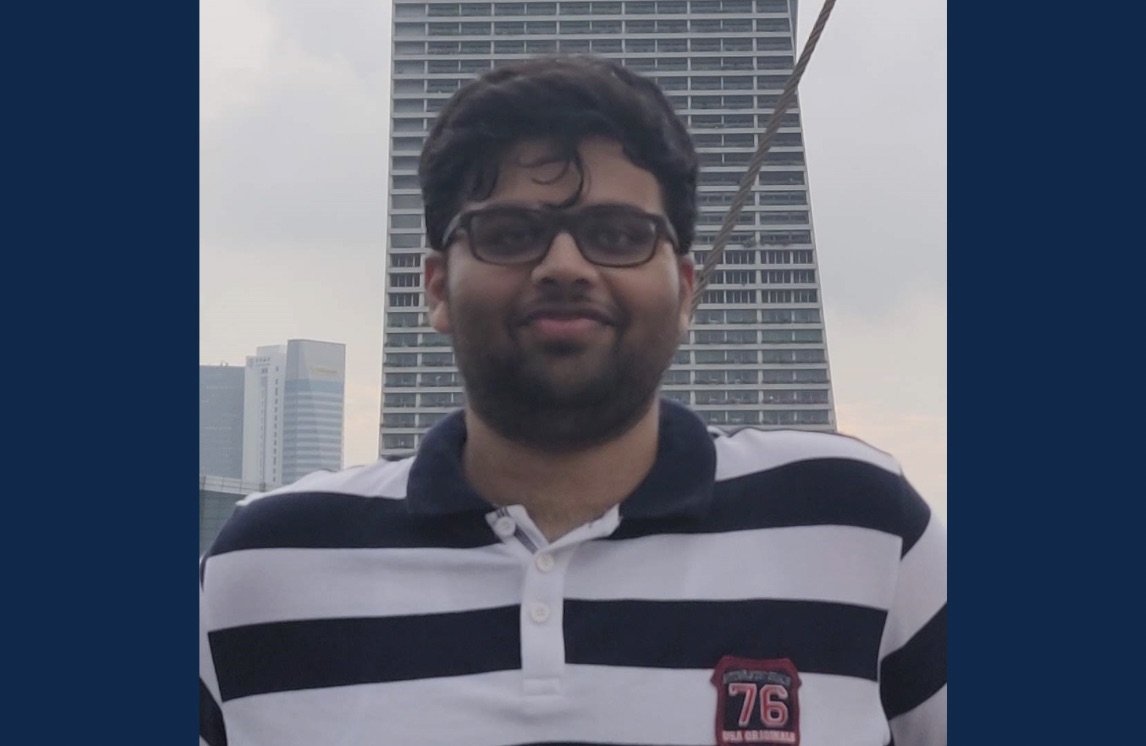
Prakhar Ganesh is a third year PhD student at McGill University in Montreal, also affiliated with Mila. His research, broadly speaking, is in the field of responsible AI, and more specifically, a topic called multiplicity. He collaborates with researchers working in fairness, privacy, interpretability, and security.
Making AI systems more transparent and trustworthy: an interview with Ximing Wen

Ximing Wen is a PhD candidate in Information Science at Drexel University in Philadelphia. Her research is about making AI systems more transparent and trustworthy. She is working on building models that can show their reasoning and point to the evidence behind their outputs, so that people can actually trust what the AI tells them, especially in areas like healthcare and legal document review.
Reinforcement learning applied to autonomous vehicles: an interview with Oliver Chang
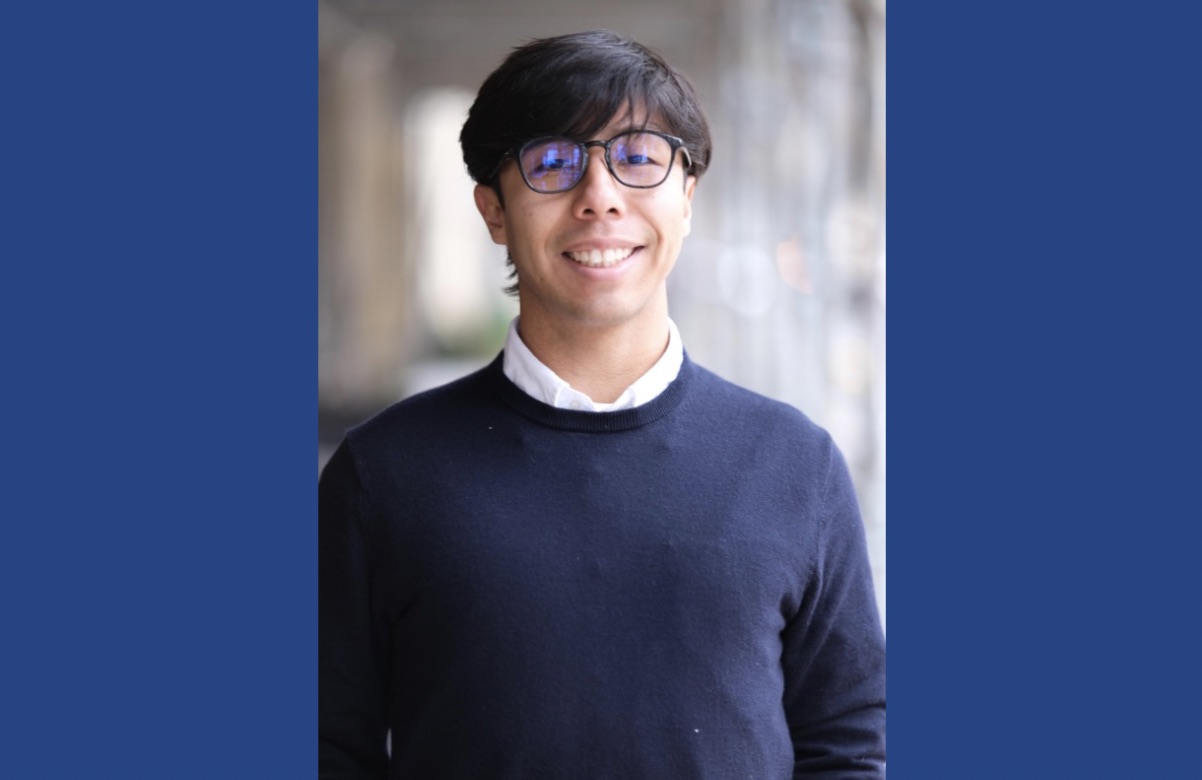
Oliver Chang is a computer science PhD candidate at UC Santa Cruz, applying reinforcement learning to train adversarial agents to find vulnerabilities in autonomous systems. We found out more about some of the projects he’s worked on so far, what drew him to the field, and what future AI directions he’s excited about.
Extending the reward structure in reinforcement learning: an interview with Tanmay Ambadkar
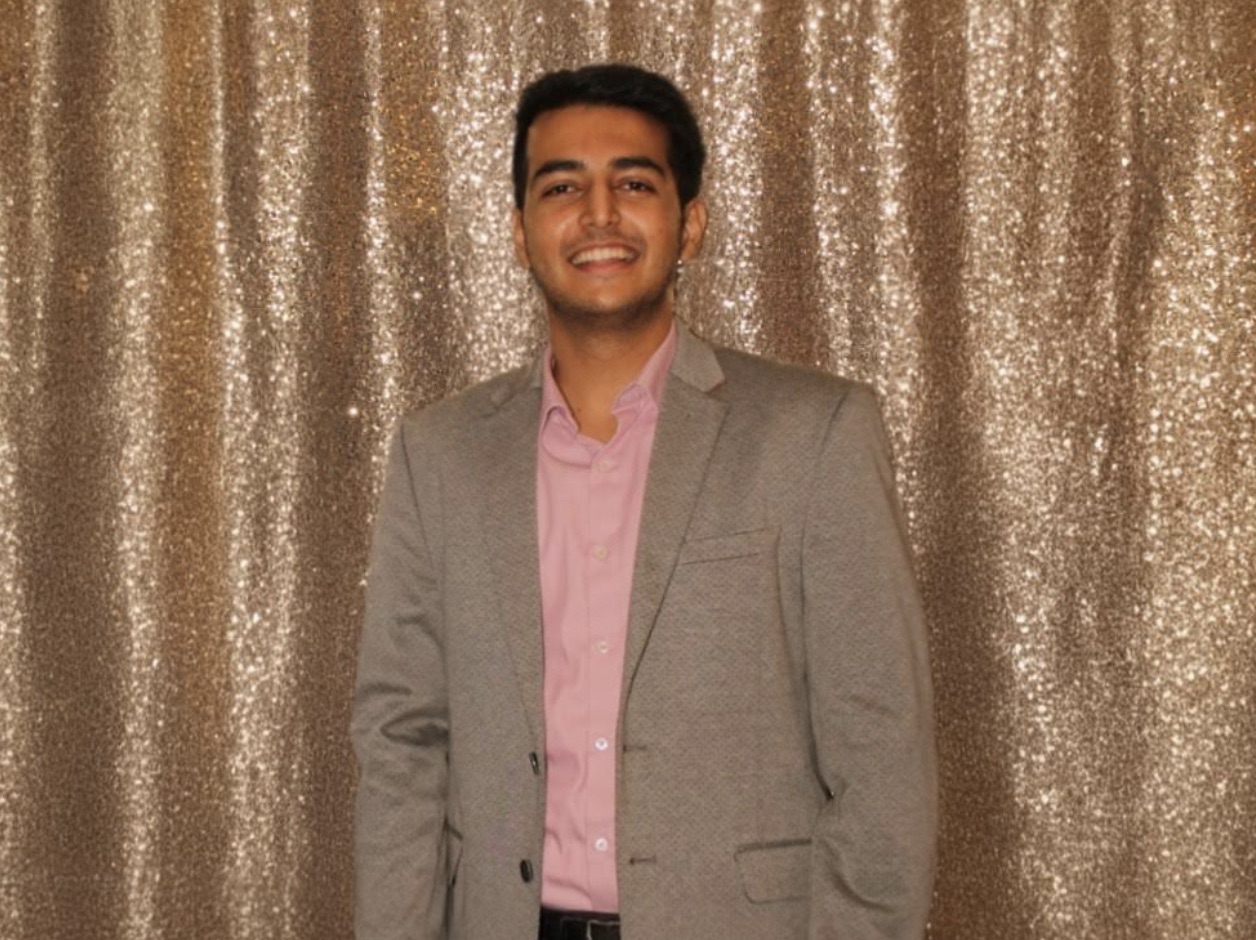
Tanmay Ambadkar is studying for his PhD at The Pennsylvania State University. He is researching the reward structure in reinforcement learning, with the goal of providing generalizable solutions that can provide robust guarantees and are easily deployable.
tags: AAAI, AAAI Doctoral Consortium, AAAI2026, ACM SIGAI

AUAI is supported by: