
ΑΙhub.org
Machine learning framework to predict global imperilment status of freshwater fish
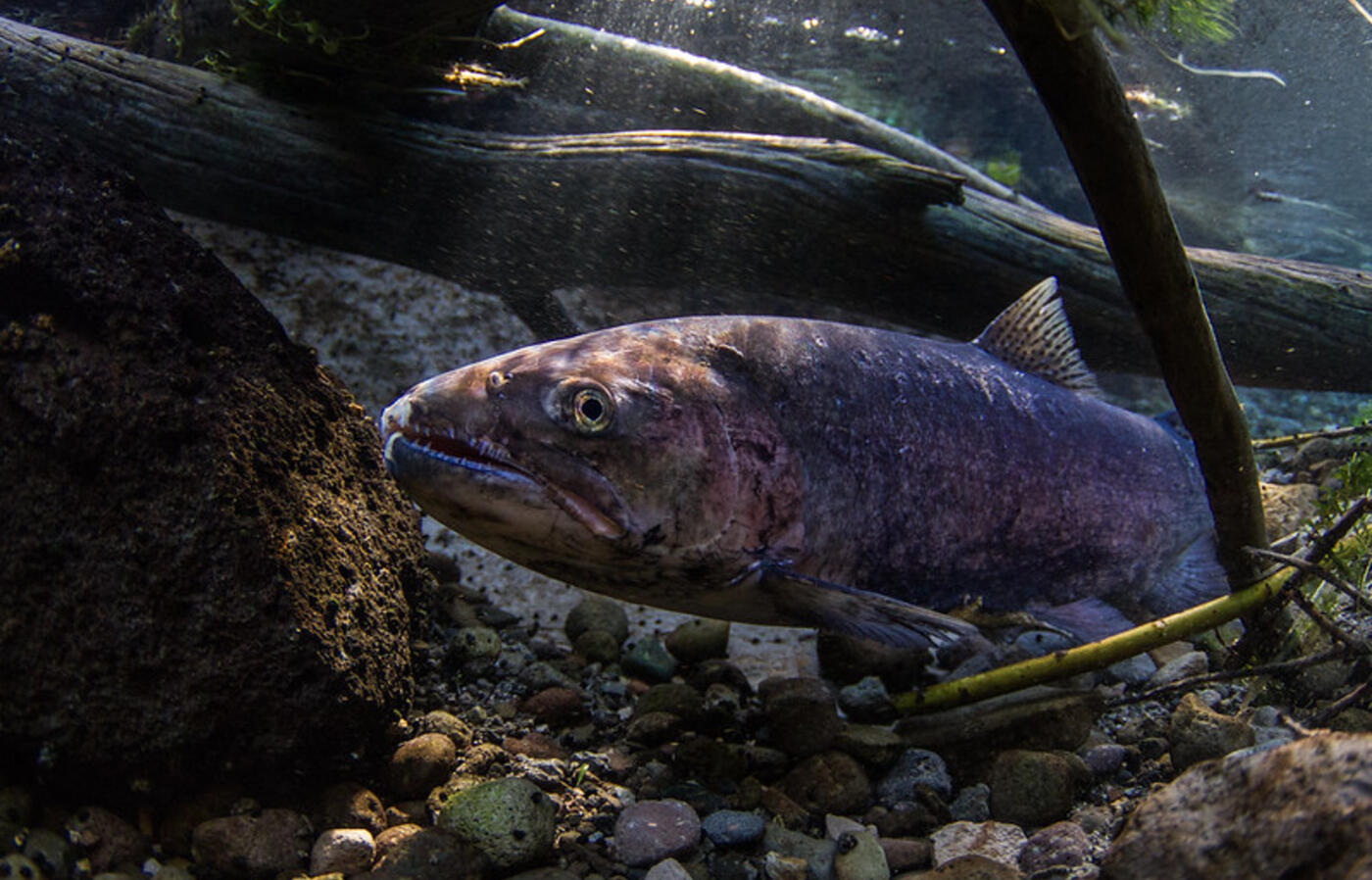
By Sean Nealon
Researchers spent five years developing an AI-based model to protect freshwater fish worldwide from extinction, with a particular focus on identifying threats to fish before they become endangered.
“People sometimes go in to protect species when it’s already too late,” said Ivan Arismendi, an associate professor in Oregon State University’s Department of Fisheries, Wildlife, and Conservation Sciences. “With our model, decision makers can deploy resources in advance before a species becomes imperiled.”
The findings were recently published in the journal Nature Communications.
Nearly one-third of freshwater fish species face possible extinction, threatening food supplies, ecosystems and outdoor recreation. The new model uses a machine learning framework to identify potential threats to more than 10,000 freshwater species worldwide. The majority of species accounted for in the model may still be safeguarded before becoming endangered.
The model identifies threats beyond traditional assessments by analyzing 52 variables, including damming, habitat degradation, pollution, economics and invasive species. Using publicly available data, the tool can make identifying and protecting freshwater fish more cost-effective.
“This uses new metrics to identify what is working to keep species from being listed,” said Christina Murphy, a U.S. Geological Survey assistant unit leader for the Maine Cooperative Fish and Wildlife Research Unit and a University of Maine assistant professor. “Managers may be able to protect a lot of fish.”
The tool allows for more proactive conservation by recognizing ecological, environmental and socioeconomic patterns that are working for fish, helping wildlife stewards implement targeted protections that benefit multiple species at once.
“The big takeaways are the socioeconomic impact on conservation potential, and that we are better at identifying what works for species than what doesn’t,” Murphy said. “Managers can set up new conservation programs based on what has worked in the past because a lot of species share what works.”
Researchers incorporated data from 12 publicly available sources, the majority from the International Union for Conservation of Nature.
They developed and trained an artificial intelligence system capable of analyzing millions of nonlinear relationships among species to identify those at immediate risk and the factors driving those threats. The platform allows users to explore the conditions contributing to vulnerability and evaluate whether similar risks may affect species not yet in urgent danger. The research team also validated the model against existing conservation assessments.
They believe their tool can be used in conservation and regional planning efforts and hope it can be leveraged to design new models for protecting birds, trees and other flora and fauna.
“Our results suggest conservation works like human health: the signals of ‘well-being’ are often more consistent than the many pathways to illness,” said J. Andres Olivos, a post-doctoral scholar at Oregon State. “For freshwater fishes, safe conditions tend to be predictable, while extinction risk can come from countless combinations of threats.”
Murphy began the project in 2020 as a postdoctoral researcher at Oregon State, where she worked with Arismendi and Olivos in collaboration with scientists from the USGS, the U.S. Forest Service and the University of Girona in Catalonia, Spain.
Read the work in full
Environment, taxonomy, and socioeconomics predict non-imperilment in freshwater fishes, Christina A. Murphy, J. Andres Olivos, Ivan Arismendi, Emili García-Berthou, Sherri L. Johnson & Jason Dunham , Nature Communications.

AUAI is supported by: