
ΑΙhub.org
Playbook released with guidance on creating images of AI
Articles about AI in the media are often accompanied by images of blue brains, white robots, and flying maths, sometimes only tangentially related to the content being reported. Due to these poor image choices, communications from media sources and marketing materials risk misinforming or misleading the public about how AI works and the impact it can have. However, finding images that better represent the research and technologies is difficult.
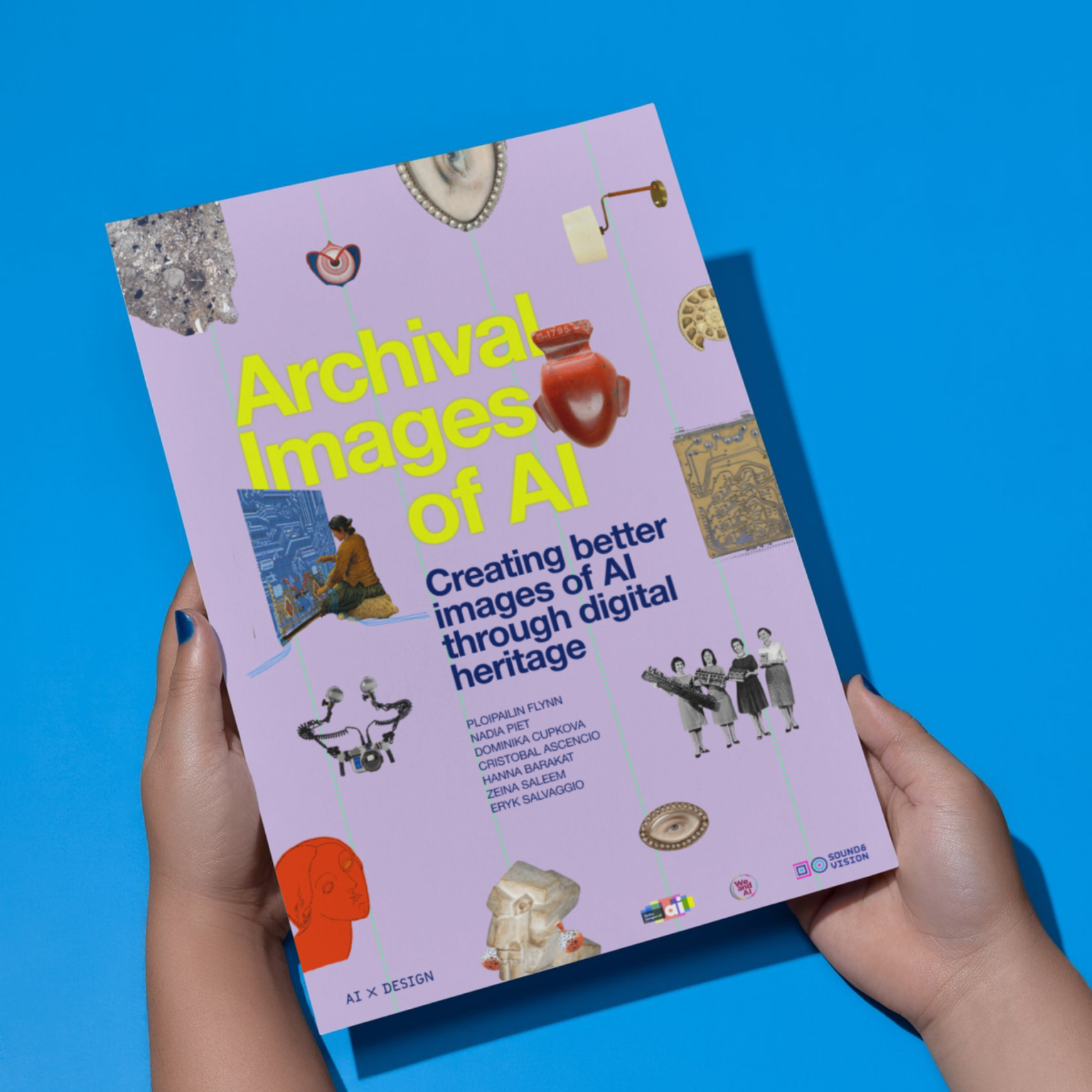
A recent project has focussed on providing people with the sources and knowledge necessary to create their own images. The Archival Images of AI project has been exploring how existing images – especially those from digital heritage collections – can be remixed and reused to create new images, particularly to represent AI in more compelling ways.
The project was a collaboration between AIxDESIGN and the Netherlands Institute for Sound & Vision, with Better Images of AI playing an advisory role.
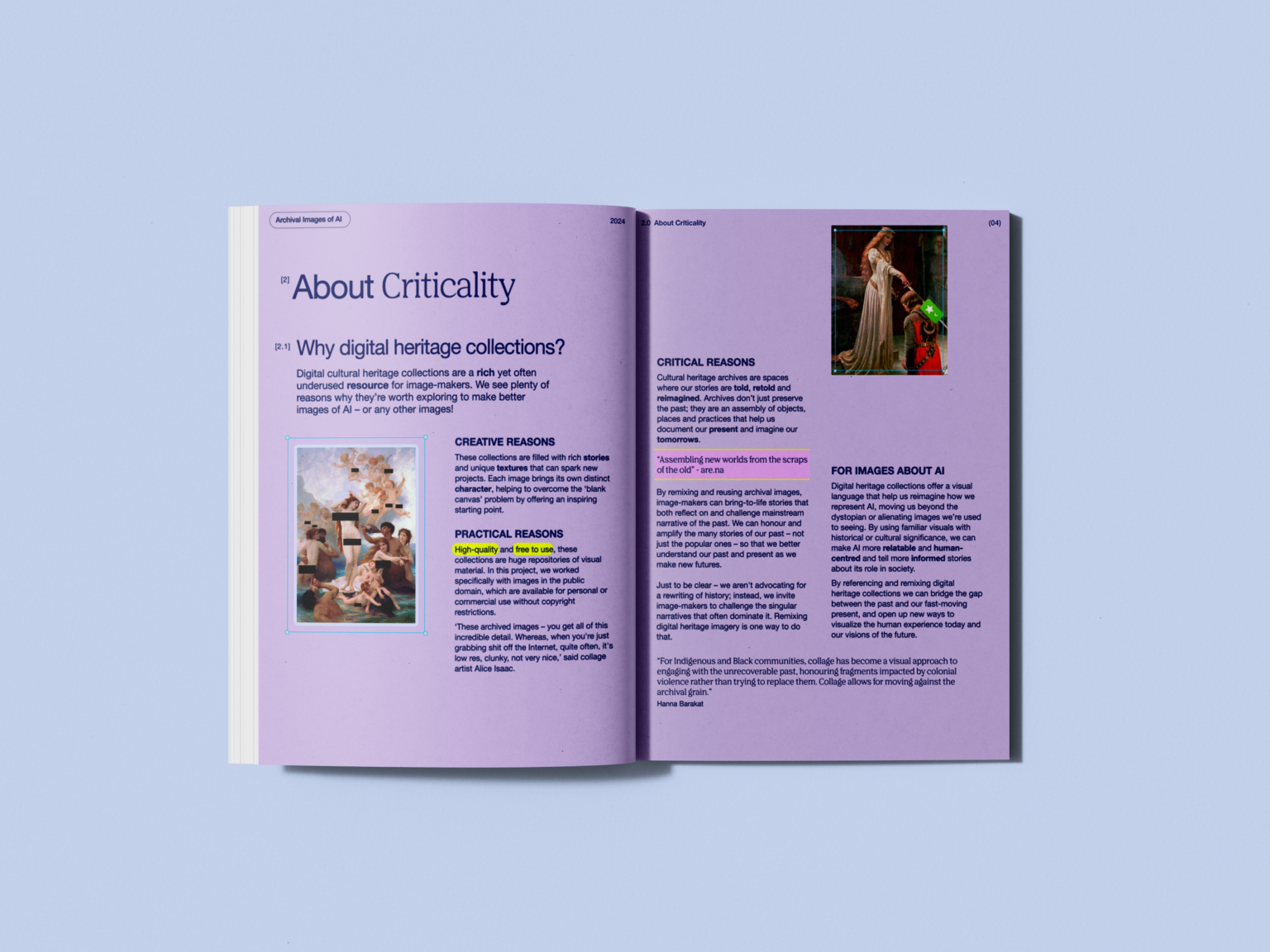
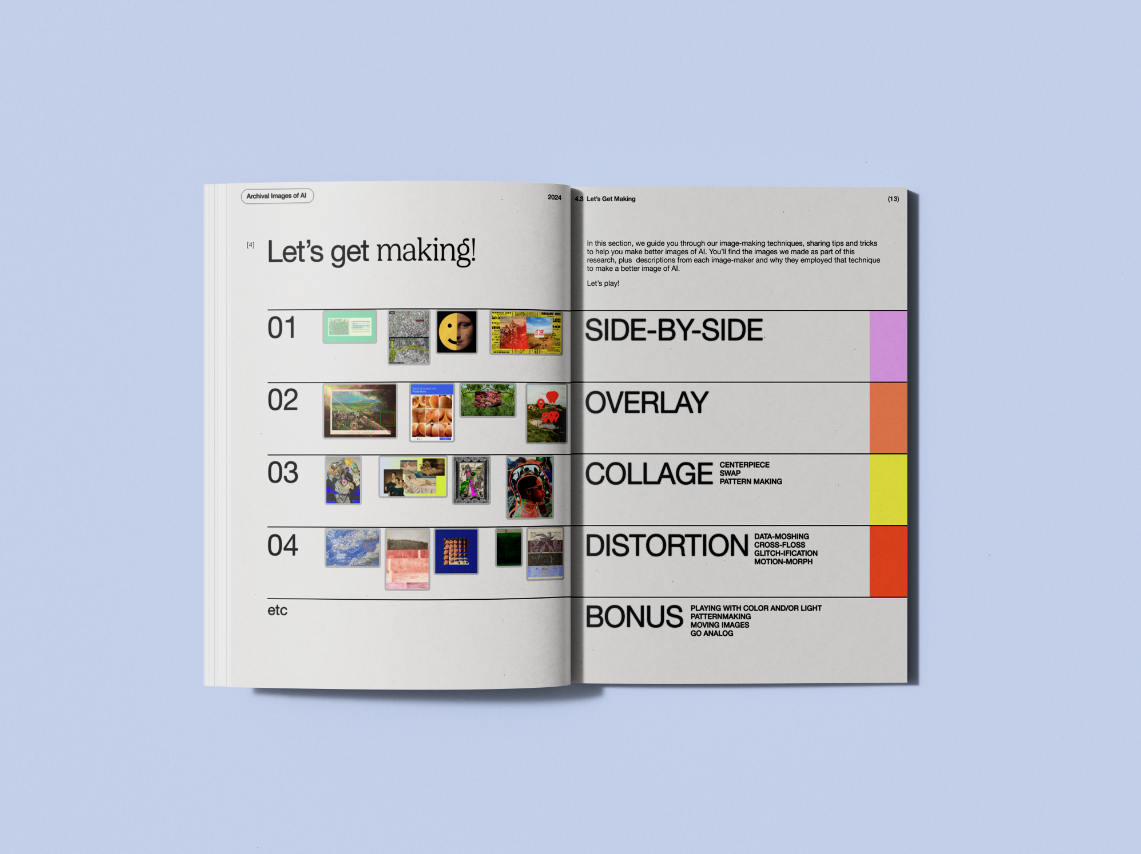
One significant outcome of this project was the Archival Images of AI Playbook, a 38-page document outlining how to create images about AI using archive images, and providing guidance on the creation and representation of AI through visual narratives. The playbook offers new ways to interpret images of AI by engaging with cultural archives to explore historical and social context. It also has sources of visual stimuli and motifs that can be used freely and with open licences by anyone seeking to illustrate their writing. The project builds on the principles outlined in Better Images of AI: A Guide for Creators and Users that explain why accuracy is important when it comes to communicating these technologies to the wider public.
The playbook was launched at an interactive event where attendees had an opportunity to test and play with the techniques and interact with the artists. You can download the playbook here and start creating your own images!
Useful links
- Archival Images of AI Playbook
- Better Images of AI press release about the project
- Better Images of AI image library
- Better Images of AI: A Guide for Creators and Users
- Better Images of AI
- AIxDESIGN
- Netherlands Institute for Sound & Vision
tags: quick read

AUAI is supported by:








