
ΑΙhub.org
The Machine Ethics podcast: Co-design with Pinar Guvenc
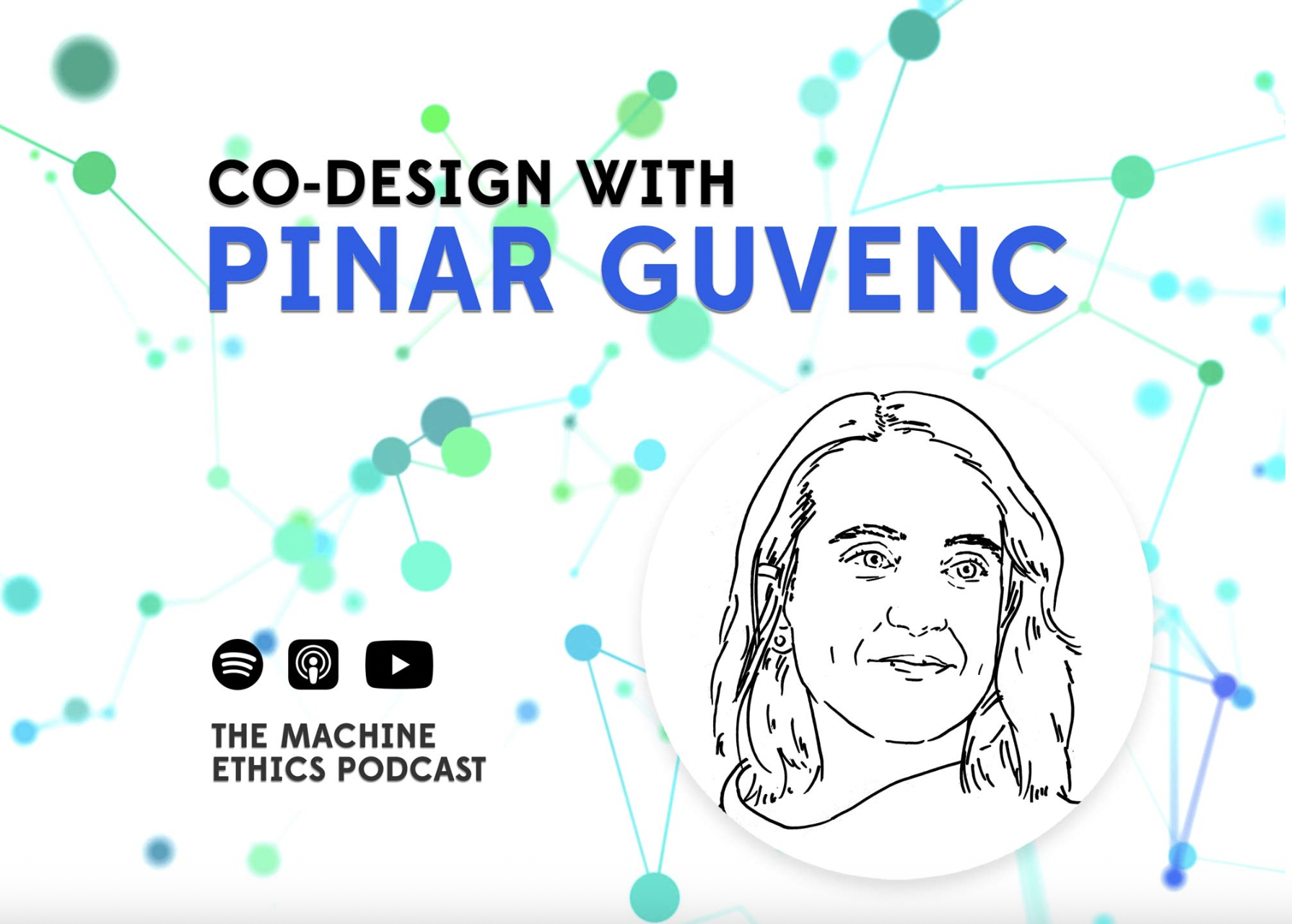
Hosted by Ben Byford, The Machine Ethics Podcast brings together interviews with academics, authors, business leaders, designers and engineers on the subject of autonomous algorithms, artificial intelligence, machine learning, and technology’s impact on society.
Co-design with Pinar Guvenc
This episode we’re chatting with Pinar Guvenc about her “What’s Wrong With” podcast, co-design, whether AI is ready for society and society is ready for AI, what design is, co-creation with AI as a stakeholder, bias in design, small language models, whether AI is making us lazy, human experience, digital life and our attention, and talking to diverse people…
Listen to the episode here:
Pinar Guvenc is Partner at SOUR – an award-winning global design studio with the mission to address social and urban problems – where she leads business and design strategy. She is an educator teaching ethical leadership and co-design at Parsons School of Design, MS Strategic Design and Management and School of Visual Arts MFA Interaction Design. Pinar serves on the Board of Directors of Open Style Lab and advises local businesses in NYC through Pratt Center for Community Development. She is a frequent public speaker and lecturer, and is the host of SOUR’s “What’s Wrong With: The Podcast”, a discussion series with progress makers in diverse fields across the world.
About The Machine Ethics podcast
This podcast was created and is run by Ben Byford and collaborators. The podcast, and other content was first created to extend Ben’s growing interest in both the AI domain and in the associated ethics. Over the last few years the podcast has grown into a place of discussion and dissemination of important ideas, not only in AI but in tech ethics generally. As the interviews unfold on they often veer into current affairs, the future of work, environmental issues, and more. Though the core is still AI and AI Ethics, we release content that is broader and therefore hopefully more useful to the general public and practitioners.
The hope for the podcast is for it to promote debate concerning technology and society, and to foster the production of technology (and in particular, decision making algorithms) that promote human ideals.
Join in the conversation by getting in touch via email here or following us on Twitter and Instagram.

AUAI is supported by:








